Preventing Bullying – Federal Partners in Bullying Prevention Summit – a Perspective

 Federal Partners in Bullying Prevention 2012 Summit
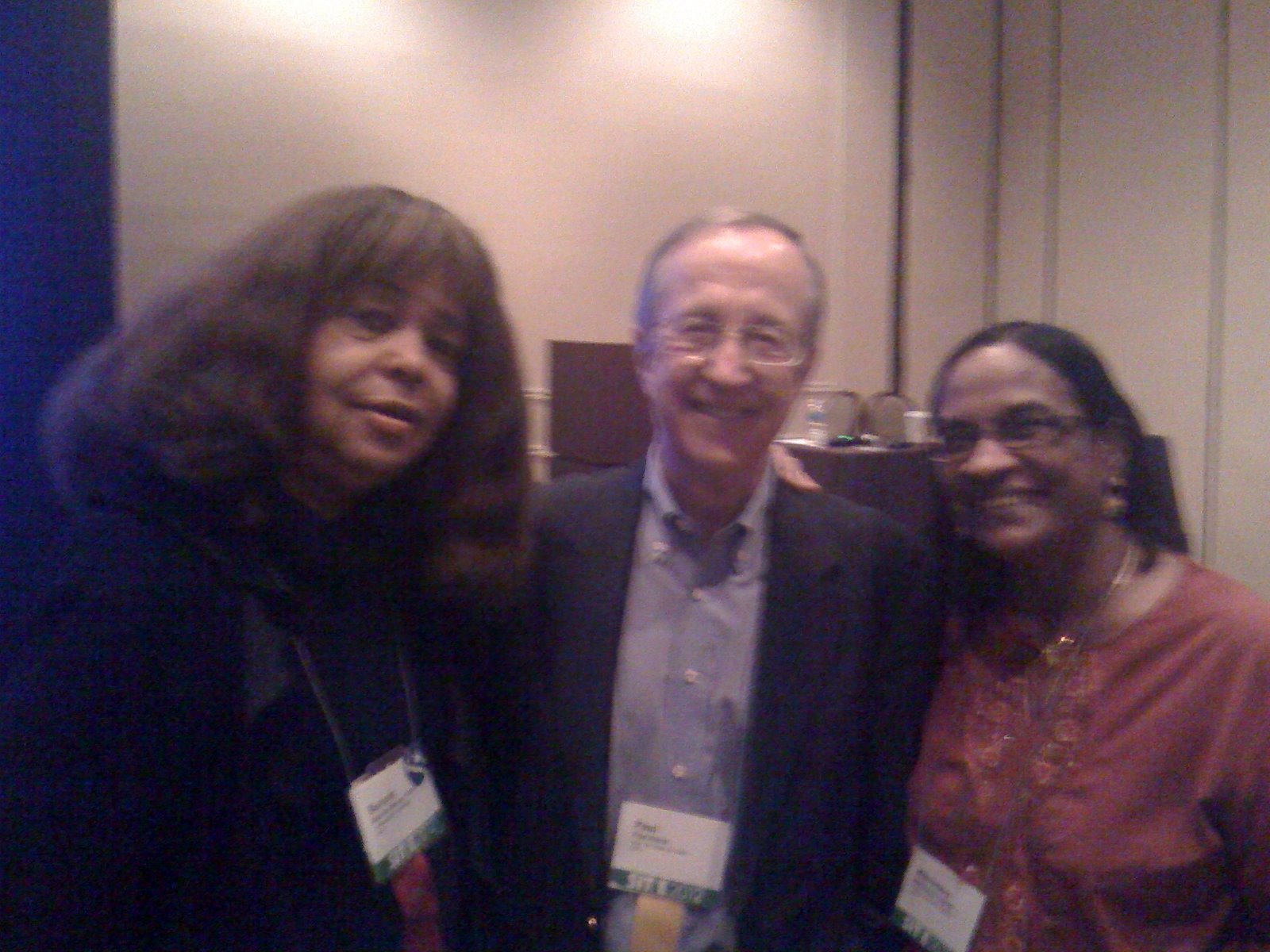
I attended the Federal Partners in Bullying Prevention 2012 Summit sponsored by the White House.It was an incredible set of resources, plenaries and panels.. There is a lot of new information on the site including the definition of bullying and cyberbullying.There are resources to help people who are being bullied. If you need help, go to the website and you will see lots of resources to help you decide what to do.

RESOURCES

Here is the federal website with all kind of resources,.You will really like the way they want to involve students in using the media to tell their stories in a contest..Students were at the conference and they contributed a lot by their presence and involvement.Summit Duncan students

Student leaders from Quantico high school, 4H, Baltimore Intersection and DC Mayors Youth Advisory Council played a big role at the Bullying Prevention Summit. A subset of these students spoke with Secretary Arne Duncan and Assistant Secretary Deb Delisle about their student led bullying prevention efforts. I was replacing a Teen Angel. That’s a group of students who work with Wired Safety. There was a weather delay in New York and she was not able to get to participate.

The ultimate message of this Summit is to  be more than a bystander. The Summit was the unveiling of the new web site, project page for the video contest and kids page as well. Watch the short webisodes from the site  and discuss them with our young people..There was also a webinar for further  participation. Part of the conference was streamed to allow virtual participation.

The webinar is over. Here is a summary of the event.Today’s youth use technology more than ever before. While technology can be a great tool to communicate and learn, it can also be used in harmful ways, and allow some kids to take bullying from school hallways into cyberspace. This form of bullying, cyberbullying, happens when kids bully each other through electronic technology, including sending mean text messages, posting embarrassing photos on social networking sites, or creating fake profiles of another individual. Hosted by the Office of Juvenile Justice and Delinquency Prevention (OJJDP) within the U.S. Department of Justice (DoJ) through the Federal Partners in Bullying Prevention, this webinar detailed current trends in cyberbullying, particularly on how schools, parents, and communities can all work to help prevent this growing problem, including how to create a supportive environment and how to speak to kids about the impact of cyberbullying. Much of the information is on the website.

Research Video

http://www.stopbullying.gov/videos/2012/08/misdirections.html

You will need the latest version of Adobe Flash Player exitdisclaimer to watch the video.

This six-minute video features Dr. Catherine Bradshaw, a national expert in bullying prevention. She discusses approaches to avoid in bullying prevention and response.

 A lesson we learned at the Bullying Prevention Summit. Don’t be a bystander.

Telling Our Stories

The Washington Post used the story of Deborah Temkin the organizer of the summit to share the importance of the event. Deborah , led the Federal Partners in Bullying Prevention 2012 Summit . Her story is a compelling one that was told in the Washington Post in an article.

What is Your Story?

We all have stories about Bullying

Mine is that I was the daughter of a teacher in a community that did not value education and so I ran home a lot to escape being taunted. I ran like the wind. They would laugh as I tore down the street trying to escape being hit as in a gaunlet. It was a tough neighborhood that my dad taught in and he thought we should attend the school as a part of showing his commitment to the community in Alexandria, Virginia but I could not always out run trouble. Most of the time, I did a good job, but . finally, I gave up I turned and fought. After that. I rode to school with my dad in the car most of the time, that worked for me. I did not know what else to do. I wimped out.

Your Story?

You may have a story that is compelling about bullying. The thing is there are groups who want to make Bullying go away, and that includes Cyberbullying .groups, foundations and state departments of education , as well as law enforcement.. I am interested in digital citizenship because a lot of people even in education stay away from the Internet because of fear. That includes schools and communities who should be online.fir transforming new educational practices.

Another Story

When I went to the bank, I was carrying the program from the Summit. A banker took me aside and asked if he could tell a story. I said, sure… he said that his eleven year old boy, saw a boy that he knew with a huge black eye.  But he did not know what to say. Finally the boy said to him” I guess you are wondering about my black eye. The other child said , well yes, but I thought it would be impolite to ask. The other child saidn,”My dad did this to me. ” The eleven year old said to the other kid,:”That kind of thing should not happen and so he convinced the child to go to the nurse or to office to report the incident..  Over the next few days, the helping child did not see the child again and was worried. What if the father did even more to hurt the child? Did he do the right thing? . He was very worried because the child who was hurt, did not attend school for several days . Finally. after several  days the child showed up with new clothes, and shoes and looking happy.. So the boy politely asked, ” What happened?” The child told him that  had been removed from the home because of the incident, and injury that the father had done to the child. It was not the first time the child had been bullied.. He was placed in a foster home and was  now sleeping well and feeling much safer.The child who had asked the question and guided him to the office breathed a sigh of relief.. Don’t be a bystander.

      What is Bullying?

Bullying Definition ( Click the Link)

When I first wrote about the conference some people told me that bullying can be controlled by aggression toward the person bullying. That never worked for me. I don’t remember anyone discussing it in pre or post service education in all of the years in which I took professional development. So I am sharing from the site so you will have some idea of the ideational scaffolding, or the way in which the information has been sorted to help us learn more about the subject.

I am a member of SITE.org.we are the Society for Information Technology & Teacher Education, and it is our mission to promote research, scholarship, collaboration, exchange and support. and participating with others  in a Facebook Grant for Digital Citizenship.

The Born This Way Foundation, and Wired Safety to name a few of the groups that are also seeking to make a difference in this area or contributing to the public knowledge.The BTW foundation launched in February.

. Kids need to know ways to safely stand up to bullying and how to get help.

Cyberbullying was also addressed  

Professional development modules are available in several formats from the Department of Justice.

Many groups that represent foundations, grants, organizations that work to stop Bullying and CyberBullying were in the audience and participated in the exchange of ideas. There were groups like the Boys and Girls Club, The National Guard, The 4 H and lots of small community organizations.

A Special Collaboration

An early  push to stop Bullying was at Harvard.  Lady Gaga and her mother,Cynthia Germanotta had put to gather with the educators from Harvard , the Mc Arthur Foundation a symposium on the topic,  and we did seminars and groups and sections of thought as well.There was a separate symposium which involved youth.

“…feeling that you care about what happens to another individual and not just yourself, that to me, is the biggest thing we can all do,”

Those are the words Born This Way Foundation’s president and co-founder Cynthia Germanotta spoke during the third annual Bullying Prevention Summit in Washington D.C.

Cynthia Germannotta shared the stage with Valerie Jarrett, special assistant to the President, and Dr. Bob Ross, president and CEO of the California Endowment.

The Washington Examiner reported on her thoughts for building a kinder and braver world. You can also read Valerie Jarrett’s thoughts on the summit: Empowering Young People to Build a Kinder, Braver World.

A New Acronym for Many

Something new for many  educators, parents and community was the frank discussion of LBGT, and a panel or two that helped us to learn, become familiar with and understand these youth. These youth told their stories to the assembled group and fielded questions.

Lady Gaga interacted with the youth for the most part at Harvard. Not being a student, all I know is that she had success in her outreach to them and to Oprah.

The symposium at Harvard also created new ways of helping us think about these youth. The lyrics from Lady Gaga’s song, Born this Way…tell the story .

LBGT , are you familiar with this acronym. Wikipedia defines it this way? No Pun intended.

Many teachers have not had access to the information that is a part of this summit.

Lady Gaga’s mother is a magnet for kids. Lot of them want to be hugged by her. She has  a kind of magic with the students..You can reach her at the Born This Way Foundation.

You can reach me at the Wired Safety website, I do education policy for the group and work with TeenAngels. I am lucky to have people like Cynthia Germanotta and Parry Aftab as guides to this important work.

To follow up with the work of the Summit , go here. Free professional development tools.

Across the country, local leaders are stepping up to address bullying in their communities. Now that more and more people are taking a stand, many have asked for resources to help them become more effective. In response, StopBullying.gov pulled together research-based recommendations to provide some guidance. We know that every child, family, school and community is unique. So the real question is, “How can we connect the dots to find out what works for youth in my town?”

The Health Resources and Services Administration, an agency that is part of the US Department of Health and Human Services, has developed the Bullying Prevention Training Module and Community Action Toolkit.

When you go to this web address sign up for updates.

Bonnie Bracey Sutton

Science Achievement, Hampered by the Policies and the Test Police, and Lack of Understanding of the Joy of Learning

I can tell you about a digital and a science divide.

We throw teachers at the students most needy for science and enrichment who are not well-trained, steeped in the ways of science and who have little or no training for hands on science.  I respect those who have never taught who want to change schools but TFA can’t create the learning landscape that is needed for sustainable science education in a couple of weeks. Science requires immersion, involvement, and evaluation.Loving, caring teachers who esteem the use of science, technology materials  and engineering are needed especially in communities where the parents are not scientists… and I throw in computational thinking. In education science has gotten the short stick. Computational thinking forms habits of mind. What is that? The site to begin  is here, and then look at this.

The George Lucas Educational Foundation accepted me on their advisory board and I learned even more. Rob Semper from the Exploratorium was often there, and George Lucas is visionary. We were learning about visualization and modeling, astronomy .. every time I got depressed about how science was “supposed to be taught” the experts around the table at the Ranch would share more information and ideas with me. I think we were ahead of our times. Think Bugscope. Think University of Illinois and NCSA.

An online project that puts access to an extremely powerful electron microscope into the hands of students all over the country has been selected by the journal …www.aaas.org/news/releases/2011/0729sp_spore.shtml

I love science. I started my career as a regular classroom teacher, from a minority HBCU, but I had powerful help in emerging as a science and technology specialist. In my college, the major work at that time was to bring students up to speed so that they could be college graduates. A lot of the kids were from schools that were not so good.  But I managed to learn. I am sure that no one expected me, who first decided to be a model, to be a great science teacher.

There are groups who offer assistance and help and professional development. But most school systems opted for vendor driven professional development. There are projects now like ITEST, but I remember being mocked and made fun of for using CUSEEME. It was not so much the teaching staff, it was the Washington Post that made fun of the new uses of technology. I survived, but others who used it were run out of teaching. And what are we doing now? Technology of course . We are talking digital textbooks , bring your own device and schooling by the Internet. Who knew?

The department of Education at one time was a leader in sharing  initiatives, like the Jason Project. I particularly loved the Voyage of the Mimi , Part two, it taught us to integrate subjects , it was truly interdisciplinary and it had proper ideational scaffolding. It was archaeology, it was science and experiments, it was games, it was videos, it was awesome to be able to teach. How did we get permission, well no one would claim the project, so the Gifted and Talented Supervisor let us do it without trouble. What a wonderful example it was for us. The children personalized the learning, and parents were engaged.

I am a PAEMST awardee for the State of Virginia. I have awards in many areas in science, earth science, Earthwatch Grants, and NSTA initiatives > Did I mention Concord.org? There were always people wanting to teach me more science. That’s the great thing. The sad thing is that science seemed to be mysterious to administrators, so we had to use.There are the opportunities but the policies of NCLB and restrictive principals caused science to be thrown overboard.. Gerry Wheeler of the NSTA is my hero for saying that we teachers were blocked from teaching science in the NCLB testing frenzy. Here is the article to read. Read it well.

Let me say that kids who love school, will work , work, learn and then some. The NASA resources that we used were so powerful. There was a time when teachers could build their curriculum using NASA modules and ideas. I will never forget being with 10 of my students at the White House. We worked hard for that. We were Young Astronauts, Challenger Center students and Goddard Astronomers. I am a geographer at heart. Lookhere to  see my perspective and this is  citizen science. Danny Edelson of the National Geographic says” Citizen science is the name for scientific research projects that engage members of the public in some aspect of their research. There have been some high-profile citizen science projects recently in which members of the public have conducted image analysis and solved protein-folding problems, but the overwhelming majority of citizen science projects involve crowdsourced data collection.”

The last time I was able to share my craft in science was in a Smithsonian Summer Camp. I was not sure that it would work with rising first graders, but they loved every bit of the science and two of the children signed up for the next camp.

I was the teacher that principals loved to hate, except one or two. I had rocks, bones, skeletons, probes, kits of all kind. I blame it on Wendell Mohling a friend of mine. He was on a plane to a science conference that I was attending ( I was going  without permission)

So here was the President of the NSTA who was also going without permission. I heard him say that and I went up and introduced myself. We started working to broaden engagement and make science known to lots of students.

Teaching Science

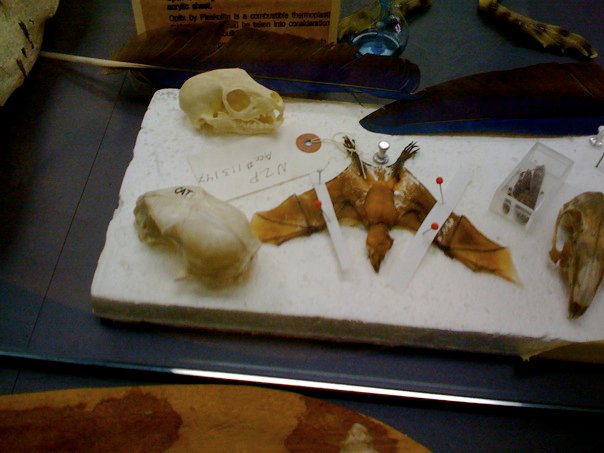
I loved October, I would get out my disarticulated skeletons, minks, rabbits, cat and a few articulated ones and some sample bones that I had and the kids would try to figure out how to make the skeleton. It took lots of time. I did have some surprises with the owl pellets as one child created a perfect example of a skeleton of some animal the Owl had consumed. So I had as a wonderful place to take kids the Naturalist Center at the Smithsonian . Hal Banks helped me learn to teach kids science and there were plenty of collections for teachers who did not have access to the resources, skeletons, rocks, and coral. I got in trouble once for taking the rocks, un-gluing them from the boxes. I just wondered what the fuss was all about as there were about 45 boxes of rocks in the science closet that no one ever used or looked at. There are probably enough iron filings in science closets in the US to build a battleship. But I digress.

I loved spring, we would hatch chickens, raise frogs and butterflies, start a worm farm and plant a garden. It was hard work. There was parents who loved my work and teachers who blocked me at every stop of the way. Finally I gave up. Pushing both technology and science became difficult. I had an ally in Marc Prensky who understood how sharing resources with people in the field or in the know , worked. An example is COSEE on line work with NOAA. It is outstanding pioneering work

Shirley Malcom and the AAAS gave us tools and connections to the curriculum on-line with interactive links and programs. But the administrators were not interested. It was sad to try to push the needed work, when tests were all that mattered. Here is my work with teachers and sadly, there was some pushback within certain communitiesto teachers learning supercomputing and computational thinking. Bob Panoff and Scott Lathrop helped us bring teacher communities to supercomputing thinking.

My friend Mano works in areas of need in rural Virginia. There are lots of us who have the aptitude to teach students. Permission is something else.

We were into rocks and charts. We grew our own crystals, and we sliced some geodes, and polished some other rocks. Parents helped me, and we wrote grants. In ESS Rocks and Charts you learn to test rocks for various properties. I loved watching the kids figure it out. I had taken that course at Marymount. There was a STEM initiative to help us transform our learning and make science real for the children. Fairfax county used to built these hands on kits for teachers in the system. Some teachers built their own kids nation wide.

THE FIRST SOCIAL NETWORKS WERE ABOUT SCIENCE

Because I was interested in science, when the National Geographic did the first Kidsnetwork, in which a real scientist reported to kids and helped them to create a project around a topic I was able to explore Acid Rain, Water, Trash and Pets. These kinds of projects exist today at the National Geographic and are available as citizen science for classes, communities and those who want to learn. The National Geographic has lots of projects on the education site and a network of alliances to help teachers in each state.

The Fish and Wildlife Service, the Smithsonian Estuary Center, all of these were available to the students, parents and I. We had an Eat a Crab Lab, we dissected fish, we went out on the pier and did salinity studies, surveyed the wind and tides, did microscopic studies, and looked for the various stages of the crab.  Look here. I could share so many things about science teaching, but they are in my previous blogs. Here is a set of pictures from my Facebook page on a great subject. We studied through NASA and learned in the museums.

The Achievement Gap, Rural, Poor, Distant and Tribal – Two Americas for Opportunity

You may have heard of this book, ” Invisible Man” by Ralph Ellison.

Invisible Man is narrated in the first person by the protagonist, an unnamed African-American man who considers himself socially invisible. His character may have been inspired by Ellison’s own life. The narrator may be conscious of his audience, writing as a way to make himself visible to mainstream culture; the book is structured as if it were the narrator’s autobiography although it begins in the middle of his life. Today with technology, the invisible man would have to think again about how to tell his story. Would he tell it on a computer? In a digitized story? Make a video? Probably he would not have the resources to use the technology.

Maybe he would be a rapper?

In the beginning, the narrator lives in a small town in the South. A model student, indeed the high school’s valedictorian, he gives an eloquent, Booker T. Washington-inspired graduation speech about the struggles of the average black man. The local white dignitaries want to hear, too. First, however, in the opening “Battle Royal” chapter, they put him and other black boys through a series of self-abusive humiliations. Are these the white folk whom Washington thought blacks could look to as neighbors? Probably not–but they do give the narrator a scholarship to an all-black college clearly modeled on Washington’s Tuskegee University.

One afternoon during his junior year, the narrator chauffeurs Mr. Norton, a visiting rich white trustee, out among the old slave-quarters beyond the campus, stopping by chance at the cabin of Jim Trueblood, who unintentionally–in his sleep–committed incest with his daughter, who’s now pregnant. After hearing Trueblood’s scandalous story, and giving him a $100, Norton feels faint and calls for a “stimulant.” Which means the narrator must take him to the Golden Day, a local tavern-cum-brothel patronized by black World War I veterans who, presumably suffering from war-related disorders, are patients at a nearby mental hospital. It’s a brutal, riotous scene, and Norton is carried out more dead than alive. Read the book…

The story is told from the narrator’s present, looking back into his past. Thus, the narrator has hindsight in how his story is told, as he is already aware of the outcome.

In the Prologue, Ellison’s narrator tells readers, “I live rent-free in a building rented strictly to whites, in a section of the basement that was shut off and forgotten during the nineteenth century.” In this secret place, the narrator creates surroundings that are symbolically illuminated with 1,369 lights from the electric company Monopolated Light & Power. He says, “My hole is warm and full of light. Yes, full of light. I doubt if there is a brighter spot in all New York than this hole of mine, and I do not exclude Broadway.” The protagonist explains that light is an intellectual necessity for him since “the truth is the light and light is the truth.” From this underground perspective, the narrator attempts to make sense out of his life, experiences, and position in American society.

Life, Experience and Position of American Students …

Defining the Achievement Gap

It doesn’t take a college degree to see that there’s a big difference in how well kids from different backgrounds perform in school. This Achievement Gap has been described by the U.S. Department of Education as “the difference in academic performance between different ethnic groups.” The No Child Left Behind legislation was aimed at measuring these performance differences and making schools accountable. But the truth is, it takes much more than that. The Gap has both social and economical roots, and it’s a problem that not only affects the futures of individuals, but costs our country billions of dollars a year. Without addressing these underlying factors, the very prosperity and leadership abilities of our country is threatened. Under the accountability provisions of NCLB, districts and campuses are required to meet Adequate Yearly Progress (AYP) as measured by three factors: Standardized tests scores in reading/language arts and mathematics, Graduation rates for high schools, Attendance rates for elementary and middle schools.

Root Causes

Intensive study has revealed that while many factors contribute to the problem, the sources for the gaps can be broken into two categories: those factors that occur at school which result in a gap between minority and majority students, and those that occur at home which result in a gap between low-income and higher income students. Education Is Freedom is a program that works to address the factors in both places.

Sources of the Achievement Gap

Beyond Academics

The Achievement Gap does not just relate to how well an individual performs in school, but how well they will perform in life. Statistics and studies have shown that those individuals who fall into the Achievement Gap are relegated to a life of low wages, poor health, and an increased rate of imprisonment. These consequences are far-reaching and affect not just individuals, but the nation as a whole. An undereducated workforce means billions of dollars lost annually in GDP alone. And it’s not just a domestic issue. Recent reports on international educational attainment show that the US is losing ground. During this economically challenging time, these and other findings should be the final catalyst for closing the achievement gap, domestically and globally.

Today, Ralph Ellison’s” Invisible Man” is joined by other groups, the Native Americans, many Hispanics and some Asians as well as distant, remote and regionally challenged groups of students. School as delivered to them does not work. They don’t have the tools, or teachers who have been educated to help them bridge the gap. Those who have the tools forget them. Broadband does not reach them.

We march forward with the technology leaving teachers , students and some communities in the dust. The report at the end shares some ideas.

They don’t have the resources to leap the digital divide, nor the teachers to create the possibilities with the use of transformational technology, and the learning landscape and their lives are under the radar. Often the programs that would vault them into technology are dependent on skills that are not developed in their schooling.

The Achievement Gap was the first research that told me about this in ways I could share.

One solution?
“Beyond SATs, Finding Success in Numbers”
http://opinionator.blogs.nytimes.com/2012/02/15/beyond-sats-finding-success-in-numbers/?nl=todaysheadlines&emc=thab1#

Further,

K-12 findings:

  • Even before they enter first grade, lower-income high achievers are off to a bad start – only 28 percent of students in the top quarter of their first grade class are from lower-income families, while 72 percent come from higher-income families.
  • From first to fifth grade nearly half of the lower-income students in the top 25 percent of their class in reading fell out of this rank.
  • In high school, one-quarter of the lower-income students who ranked in the top 25 percent of their class in eighth grade math fell out of this top ranking by twelfth grade.
  • In both cases, upper-income students maintain their places in the top quartile of achievement at significantly higher rates than lower-income students.

Tanner Mathison, a student featured in the report who is now a freshman at Dartmouth College studying medicine, said: “There are a ton of smart, low-income students in this country who do not have someone to speak for them – no one to get them access to the programs and enrichment they need. In modern society we tend to associate monetary gains with success, and sadly with this paradigm, we often fail to recognize that academic talent can rest within lower-income students.”

College and graduate school findings:

The significance of a college education is underscored by our nation’s growing knowledge economy, which demands more than a high school degree. More than nine out of ten high-achieving high school students attend college, regardless of income level-a great success at a time when only 80 percent of all twelfth graders enter postsecondary education.

Although high-achieving lower-income students are attending college at impressive rates, they are less likely to graduate from college than their higher-income peers (59 percent versus 77 percent). In addition, lower-income, high-achievers are:

  • Less likely to attend the most selective colleges (19 percent versus 29 percent)
  • More likely to attend the least selective colleges (21 percent versus 14 percent)
  • Less likely to graduate when they attend the least selective colleges (56 percent versus 83 percent)
  • Much less likely to receive a graduate degree than high-achieving students from the top income half.

“These extraordinary students are found in every corner of America and represent the American dream. They defy the stereotype that poverty precludes high achievement. Notwithstanding their talent, our schools are failing them every step of the way,” said John Bridgeland, CEO of Civic Enterprises and a co-author of the report.

(The report can be downloaded at the following address: http://www.jackkentcookefoundation.org or www.civicenterprises.net)

Do You Know Shodor.org? This is a different organization that seeks to change the world of education.

Interns mentor workshop students at Shodor’s Broad Street office (2003)

Since its incorporation in 1994, Shodor has come a long way, pursuing the mission of improving math and science education through computational science. At the core of Shodor’s dramatic growth and effectiveness is its authentic use of computers in transforming science and mathematics education through the internet and network technologies.

From the beginning, when many other education-focused organizations were utilizing CD’s to capture and share their resources, Shodor recognized the power of the internet and networking, and developed those components of its activities through tools likeInteractivate.

In the beginning, with just three computational science tools to its name, Shodor was able to easily demonstrate the engaging world of computational science. Through real-time manipulation of data representations on a computer screen and showing how the end results take shape “right before your eyes,” the message was clear. Educators marveled at the instructional opportunities and students began to learn math and science concepts in a much more realistic and meaningful way.

SUCCEED Workshop students outside Shodor’s Broad Street office (2002)

As internet and networking technologies advanced and as connectivity became faster and more powerful, Shodor responded with more effective tools and saw continued growth in its audience of educators and students.

Today, Shodor’s bank of computational science education tools has grown to a substantial level. They are widely utilized on national and international levels. Today, the Shodor websites garner 3-million to 3.5-million page views per month. Tools such as Interactivate and the Computational Science Education Reference Desk (CSERD) are not only website award-winners, but they are widely popular among students and educators alike and help to improve math and science education. Usage and linkage has been so extensive that a “Google” search for nearly any term in math or science (try, for instance: acid base, stoichiometry, pie chart, histogram, bar graph, stopwatch, arithmetic quiz, among others) will return Shodor resources at or near the top of the list.

A workshop at Shodor’s current, larger office in the Durham Centre (2007)

Shodor has grown to a staff of 16 scientists and educators, and proudlyinvolves more than 30 interns and a dozen apprentices in many aspects of our internet and network design, creation and maintenance — a unique and meaningful “real world” hands-on learning project for all of the students. Dozens of college faculty who are graduates of theNational Computational Science Institute (NCSI) workshops are active collaborators, and more than 1,000 NCSI alumni participate in the review process of the Computational Science Education Reference Desk (CSERD) .


 Jack Taub had an idea of transforming education nationally. He had the dream of transforming education in new ways. in 1983 the White House issued a report called “A Nation at Risk” stating that “If a foreign power had tried to impose on America the mediocre educational performance of our schools, we might well have regarded it as an act of war.” Even before this report came out, I began to realize after 2 years of studying the K-12 system that the whole nation was in peril. We were turning out high school graduates that knew virtually nothing. Most people were focusing on the dropouts. I believed then as I believe now, that the graduates were an even greater risk to America in being unable to perform the job skills necessary in a rapidly changing, technology-based global economy.Now to the bottom line. I decided that if customizing education was the law for ‘at risk’ students, and that virtually every student was being socially and economically disabled as a result of the current education system, then virtually every child was at risk (granted some at greater risk than others). Why not customize education for every child, thereby eliminating student boredom and reduce the risk for all children? I realized that the current system was legislated by Thomas Jefferson in 1816 and the activities in many of today’s classrooms look disturbingly like they did in the 19th century. In 1982 I was still naïve enough that I did not understand that to customize education for all students the whole K-12 public education system would have to be transformed.In addition to committing my life and fortune to this task I made one other major commitment as we designedimplemented and tested a solution which was not to sell individual pieces of a solution to schools until it was part of the greater plan for transformation. The reason for this decision was that as a vendor I would be distracted from the journey. Besides, I thought I would have accomplished the goals of my journey before 1990. Sadly Jack has died, but his dream lives on in those of us who carry it forward.Well, here we are 30 years later, having finally cracked the code to transforming our entire K-12 public education system, by customizing education for every child. To solve this problem, about $100M has been spent. Far too much of it was my own money. In fact, as I began to realize the complexity of the goals and the journey, I was sure that my commitment was so complete that it was reasonable to believe that I would die broke.

We now have over 8,000,000 hours of student and teacher classroom experienceand results and truly have solved all of the problems of scalability, funding,

*** NEWS RELEASE ***

FOR IMMEDIATE RELEASE
April 23, 20122

CONTACT:  UCLA Civil Rights Project; 310/267-5562

School Integration Linked to Positive Leadership and Better Community Relations
Teachers’ perceptions differ widely by the racial and socioeconomic makeup of their school

LOS ANGELES—A new report from The Civil Rights Project/Proyecto Derechos Civiles at UCLA zeroes in on teachers’ perceptions of the everyday climate in schools and explains that teachers working in racially diverse and stable schools perceive their school and community environments in significantly different ways than do teachers working in either more homogeneous or less stable schools.  At a time when statistics show a steady increase in the number of segregated schools, this study shows serious consequences for teachers, as well as for the parents and students who are part of segregated school communities.

Spaces of Inclusion? Teachers’ Perceptions of Integrated and Segregated Schoolsis based on a large national survey of teachers designed to investigate teachers’ beliefs and practices related to racial diversity, which was disseminated to over 1,000 educators nationwide. Teachers were asked a variety of questions dealing with fair student discipline practices, non-discriminatory assignment to Special Education classes, whether students from different groups mixed together in extra-curricular activities and the strength of family and community support for a school.

Teachers of all races viewed schools with high percentages of students of color and low-income students as less likely to have family and community support. In contrast, teachers in stable and diverse learning environments — with or without a white student majority — report more positive student relations and more support from parents and the community (with some variation according to the race of the teacher).

Since the support of families is considered crucial to educational achievement, weak relationships between schools and parents in segregated minority environments highlight a critical disadvantage that racially and socioeconomically isolated schools must overcome, on top of a myriad of other well-documented deficits, including high teacher turnover.

“We are in a period of intense national debate on issues of school performance, one that has been largely critical of our teachers,” said Genevieve Siegel-Hawley, co-author of the report. “This report shows that stable and diverse schools lead to more inclusive partnerships between teachers and communities and to better overall achievement. Isn’t it time that policymakers fostered these types of educational environments?”

New figures from the 2010 Census show that more than half of the nation’s poor population now resides in the suburbs, and minority racial groups make up 35% of suburban communities. School districts in suburban areas are experiencing these rapid racial and socioeconomic changes at the ground level. Confronted with making critical decisions related to rising diversity in schools and classrooms, few of these school systems and the teachers working in them have prior training in how to foster positive, inclusive educational environments for their diverse student populations.

Says Co-author Erica Frankenberg, “As the reauthorization of the Elementary and Secondary Education Act proceeds, this report reminds us that paying attention to the racial and socioeconomic integration of schools remains important—and that schools and teachers need support and guidance as their student populations continue to transform.”

Civil Rights Project Co-Director Gary Orfield called on the Obama administration and state education officials to “provide leadership to help communities threatened with resegregation to use magnet schools and other methods to create and support integrated schools.”  He said that the survey shows that “teachers of all races know how much better these schools work.”

Key Findings 
  • Teachers in stable racially diverse and middle-class schools reported the most positive indicators of inclusivity, including that their administrators were capable of dealing with diversity issues effectively, discipline practices were fairer and tracking was not a critical issue.
  • Nonwhite teachers across all school contexts reported more serious issues around racial disparities in Special Education assignments.  Almost 17% of nonwhite teachers thought that there were significant Special Education disparities by race, versus roughly 9% of white teachers. In predominately white school settings, nearly 40% of teachers of color felt that disparities in Special Education assignments were significant, compared to just 6% of white teachers.
  • Teachers in racially stable diverse environments were significantly more likely to say that students rarely self-segregated (13.8%) compared to teachers in non-stable settings (7.2%).  Teachers in stably diverse schools were also less likely to report that tension between students of different races was significant (5.1%) than teachers in transitioning schools (10.5%).
  • Less than 30% of teachers in segregated minority schools felt that their school was supported by the community.  That figure is significantly lower than the 56% of all teachers responding to the survey who believed that the community is strongly supportive.

The report stresses that these results have important implications for state, district and school-level policies. Policies that encourage teachers who stay and invest in creating a supportive and inclusive environment are sorely needed. Federal policy also could help foster productive external relationships by providing incentives for family and community involvement through the school assessment process. Preparation and technical support from local, state and federal agencies could also help address some of the concerning trends documented in the report.

Spaces of Inclusion?is the final report in a three-part series based on a nationwide survey of teachers. The first report, The Segregation of American Teachers, documented serious patterns of racial isolation among the faculties of U.S. K-12 schools.[1] The second report, Are Teachers Prepared for Racially Changing Schools?, analyzed the preparation and teaching practices employed by educators across different grade levels, finding a dearth of focused training for racial diversity.[2]

For a copy of this report, go to www.civilrightsproject.ucla.edu


About the Civil Rights Project

Founded in 1996 by former Harvard professors Gary Orfield and Christopher Edley Jr., the Civil Rights Project/Proyecto Derechos Civiles (CRP) is now co-directed by Orfield and Patricia Gándara, professors at UCLA, and housed in the Graduate School of Education & Information Studies.  The CRP’s mission is to create a new generation of research in social science and law on the critical issues of civil rights and equal opportunity for racial and ethnic groups in the United States.  It has commissioned more than 400 studies, published more than 15 books and issued numerous reports from authors at universities and research centers across the country. The Supreme Court, in its 2003 Grutter v. Bollinger decision, cited the Civil Rights Project’s research.

On Tribal Lands a Continuing Digital Divide that Gets Deeper!!

Many Navajo homes (and Native American homes in general) are too remote to access the Internet or receive cell phone reception. Some will drive up to 50 miles to reach an area with WI-FI or cell service. With gas prices over $4 a gallon the cost is just too much for most Native Americans living on the reservation. For struggling students and entrepreneurs having to travel to a remote mountain top or hotel lobby in the next town just to use the Internet or a cell phone is not a practical way to get assignments or business done. Reservations are already largely disconnected from the rest of the country. They are remote, with little opportunity, or access to education and healthcare. The dawn of the Internet age could have helped to bridge this societal gap and provided more opportunities for people living on reservations. Sadly, it has not. Tribal lands have been left out of infrastructure plans that have connected the rest of the country. Less than 10% of tribal homes have broadband internet service. It is time reservations are connected. As we talk about digital books and online classes , there are people who do not have access. I have worked in these areas with a friend who has expertise in the Native American Culture, she is of the culture.

I have worked with Karen Buller of NITI.org, which was an organization in Santa Fe, New Mexico. Once she was funded for this kind of work. Her site is still online http://www.niti.org/

The National Indian Telecommunications Institute was a dynamic, Native-founded and run organization dedicated to using the power of electronic technologies to provide American Indian, Native Hawaiian, and Alaskan Native communities with extensive educational tools, equal opportunity and a strong voice in self-determination.

NITI’s goal was to employ advanced technology to serve American Indians, Native Hawaiians and Alaska Natives in the areas of education, economic development, language and cultural preservation, tribal policy issues and self-determination.

The lack of digital connectivity has contributed to staggering unemployment numbers, health problems, and flight of young people to cities. Navajos are missing out on job opportunities because they can’t check e-mail regularly. One Navajo man even missed out on a kidney transplant twice because he lacked telephone service and wasn’t contacted in time to receive the kidney. Even basic land line phone service is missing from many homes.

Progress is being made. The Obama administration stimulus package has expanded high speed internet capability in some tribal areas. This is a great step toward connectivity but there are still obstacles like lack of computers to connect, and the sheer magnitude of connecting all tribal lands. Reservations are already so far behind the rest of the country; this shouldn’t be another empty promise. In addition to the federal government providing support for digital infrastructure on tribal lands, tribal leaders need to be on board as well. Tribal lands are governed by their own set of laws and need to allow for progress to be made. Many young people on reservations are frustrated that the older generation doesn’t understand the importance of digital connectivity and they end up leaving for bigger cities with more opportunity.

Native American leaders and the U.S. government need to work to together to connect Native American lands to reliable and accessible internet and cell phone service. By signing this petition you are supporting bringing all Americans into the digital world.

The petition is here..http://forcechange.com/19378/dont-leave-native-american-tribal-lands-without-digital-connections/#gf_1


Rural Native Americans have limited access to basic phone, and emergecy 911 services.

Increase telecommunications infrastructure deployment on Tribal lands.
Increase acces to computers, the Internet, and communication tools.

FCC Policy Statement On Establishing A Government-To-Government Relationship With Indian Tribes

Here is a problem along the edges of the digital divide that most people are unaware of the perspective from Native American Tribes.

Given the fact that many Native American tribes have some land and some have casinos, people think that they live in the lap of luxury. There are a few tribes who have learned to create a business model to change the future of their children. But we have an interesting set of problems that the President has to address. For those not familiar with the cultures, here is a virtual tour if
The Four Directions project works to use technology as a catalyst for change in the schools. Recently students, teachers, community members and Four Directions personnel worked together to create a demonstration project with the National Museum of the American Indian.

Source: The 4Directions community of learners consists of 19 Bureau of Indian Affairs schools partnered with 11 private and public universities and organizations. Through technology, the community has been able to transcend geographic barriers and collaborate across the nation. Teachers and students use the Internet and World Wide Web to communicate and collaborate with 4D partners and other schools. 4Directions schools use technology to share in the diversity of various cultures and to ensure that the voices of Native people are heard in the emerging information age.
Source: http://www.4directions.org/community/index.html

I have spent time with Karen Buller, and earlier with Misty Brave, who are proponents of better education for Native American students. Karen was working with the FCC. Here is the website she created when there was funding. Most of the funding for the digital divide evaporated during the Bush administration as the nation was told that there is no, was no digital divide. Now that we can talk about it again, there is a digital divide, a technology divide, a cultural divide, an information divide and a fluency of use of new media divide.

Misty Brave is from the Pine Ridge Reservation and she and I had a debate when I first met her. We were Christa McAuliffe educators for diversity, from the NEA, NFIE.I was talking about the poverty in urban cities. She opened my eyes to the situation on the Pine Ridge Reservation and to the cultures of Native Americans in general. I have never lived 40 miles from a grocery store without a car. I have never lived where the chapter houses, as in Navajo lands are where people communicate emergencies from.

*( Cell phones have changed that a little, broadband is not available everywhere either.j

On Tribal Lands, Digital Divide Brings New Form Of Isolation

Posted: 04/20/2012 2:50 pm Updated: 04/20/2012 3:13 pm ( source- Huffington Post0

Navajo Digital Divide

Sonny Clark, 59, must drive five miles up a mountain to get cellphone service connection and 40 miles to get online.

WINDOW ROCK, Ariz. — Like many college students, Wilhelmina Tsosie must go online to complete her assignments. But unlike the vast majority of Americans, she finds that the biggest challenge in her coursework is merely getting connected.

Tsosie is a member of the Navajo Nation, the Native American community whose sprawling reservation has long been isolated from the rest of the country — an isolation now being reinforced by the digital age.

On a recent night, she endured a 30-mile drive along a dark desert highway to reach this town, her nearest access point to the Internet. She carried her laptop into a hotel that offers wireless access. In the dim light of the lobby, she hunched over the screen and finished an online exam.

Like many Navajos, Tsosie, a petite 34-year-old with glasses and a jet-black ponytail, can’t receive basic Internet service at home, because her home is too remote. She and her husband and their two young children live near the peak of a tree-covered mountain, beyond the reach of Internet service providers, forcing her to drive long distances to get online.

This has never been easy, consuming time as well as gas money. Now, with local gas prices nearing $4 a gallon, Tsosie can no longer afford frequent trips to reach the Internet. She worries about the effects on her grades. Last semester, she failed a class after missing too many assignments — the result of unreliable web access, she says.

“If I passed that class, I would have been on time for graduating,” Tsosie said. “I would have had one semester left and now I have two.”

Her husband, Ben, said the long journeys to find an Internet connection have begun to feel “hopeless.”

“Sometimes we don’t have the gas money to go 30 miles to get on the Internet,” he said.

Tsosie’s dilemma reflects the extreme difficulties many Navajos confront in seeking to connect with the rest of the world. Some park on the side of highways, climb atop roofs, or drive to the peaks of mountains just to get within range of mobile telephone service. Others travel dozens of miles to use Wi-Fi hotspots outside hotels, restaurants and chapter houses — the local community centers on the reservation. Some who lack electricity run their computers on gas-powered generators.

Native Americans have long experienced disconnection from the rest of the country — their reservations are generally placed on remote lands with little economic potential, separated from modern-day markets for goods, as well as higher education and health care. The dawn of the Internet was supposed to bridge this gap, according to the promises of prominent public officials. Fiber optics cables along with satellite and wireless links would deliver the benefits of modernity to reservations, helping lift Native American communities out of isolation and poverty. But the rise of the web as an essential platform in American life has instead reinforced the distance for the simple reason that most Native Americans have little access to the online world.

Less than 10 percent of homes on tribal lands have broadband Internet service — a rate that is lower than in some developing countries. By contrast, more than half of African Americans and Hispanics and about three-fourths of whites have high-speed access at home, according to the Department of Commerce.

Without reliable access to the Internet, many Native Americans find themselves increasingly isolated, missing out on opportunities to secure jobs, gain degrees through online classes, reach health care practitioners, and even preserve native languages and rituals with new applications that exploit the advantages of the web

Food, Kids, Nutrition and Culture- The Accidental Science

Most people know me because of my interest in science, math , technology and engineering. But lots of people love me for my cooking.  My mother was a great cook. SHe said if you can read you can cook. But she was from the country and cooked things in season and in a particular routine. She was excellent. She cooked in the fashion of Edna Lewis. I was confused until I understood that there are regional ways of cooking that lots of people enjoy. I had a great experience cooking and teaching at the Smithsonian in a “Seeds of Change” garden project. That got me to the skills that I needed for the classroom. The parents and students and I wrote a lot of grants to get started. Every  classroom is a food network. The various diversity of ways to cook are apparent if you have a pot luck dinner.

Historically, the potato, corn, tomato , horse and disease were a part of what happened with the Columbian exchange when two old worlds came together and the cultures mixed. (I think we are not supposed to talk about tobacco.

We had the Monticello Gardens as a resource for plants, and you can explore that here.

http://www.monticello.org/site/house-and-gardens/thomas-jefferson-center-historic-plants

I liked a wider range of foods and was always experimenting with food at home. Once in the classroom a teacher came from the Smithsonian. She was Japanese, cute, and was teaching and cooking all at the same time. I was jealous. She had everyone’s rapt attention and kids who were finicky about foods lined up to eat. That taught me a lesson. Hmn, the intersection of food, culture and hands on science. Great idea. I had to write grants to get the hot plates, utensils, pantry and money for spices and seeds. There are grants available from many places and I wrote to most of them.

4H , Parents and Principal.. There was help!!

My first help with cooking in the classroom was the 4 H. They had some kind of recipes that were very good and inexpensive.  My second help, was having a garden in the school that I taught in, which at the time was Long Branch Elementary. I think I said to a parent , I would like to have a garden. i was thinking about flowers , but there were strawberries growing in the back of the school near the park. So , all of a sudden parents and I were planning an early spring garden. Who knew it would be such fun? I don’t remember al of the parents, but Mr. Haithcock turned over the soil for us, and Nathan Lyon’s family helped me choose plants and one mother came in to teach me to harden plants before we set them out.

Nathan Lyon was just on the Today show. He is a chef. I don’t claim his skills, I think his grandmother influenced us all.

Cooking is an accidental science.

Did I mention Kolrabi…. I had no idea what it was. We had the soil tested by the 4H and we had written a grant so we had tools, gloves, shovels, sticks, seeds, and lots of garden resources. I think the hardest thing was to get the kids and the tools down to the field without injury. I was always worrying about some one getting hit with a shovel, but it never happened. We had buckets too. The hose only reached so far.You know what, we had fun!

Our school was on the edge of  a lovely park and there was room for a garden. My principal at the time loved the idea.and we explored gardens mostly colonial gardens, as that was the first level of instruction.

CHILDREN FOOD AGRICULTURE NUTRITION OBESITY. mitocw EXPLORING FOOD

  • A photograph of a child eating dim sum.

    Food plays an important role in our culture and relationships. (Photo courtesy of John Catnach on Flickr.)

    We did this before MIT, but this is a great online course to think about the accidental science of cooking.

    The Exploratorium link is here.http://www.exploratorium.edu/cooking/index.html The food groups and tasks for kids and families are here to explore.

    This is a three part blog. I start with the spices and the herbs and you can do this here.http://www.exploratorium.edu/cooking/seasoning/index.html

    Discover how a pinch of curiosity can improve your cooking! Explore recipes, activities, and Webcasts that will enhance your understanding of the science behind food and cooking.
    Food and Culture
    As taught in: Spring 2011
    A photograph of a child eating dim sum.
    http://ocw.mit.edu/courses/anthropology/21a-265-food-and-culture-spring-2011/Food plays an important role in our culture and relationships.
    Instructors:Prof. Heather Paxson
    MIT Course Number:21A.265
    Level:
    Undergraduate
    Course Features Assignments (no solutions)
    Course Description
    Explores connections between what we eat and who we are through cross-cultural study of how personal identities and social groups are formed via food production, preparation, and consumption. Organized around critical discussion of what makes “good” food good (healthy, authentic, ethical, etc.). Uses anthropological and literary classics as well as recent writing and films on the politics of food and agriculture.
    Mothers and fathers love a class cookbook or potluck dinner ..  starting with the ideas in the room, you can start interesting science development that is fun.

The Power of Kindness and Caring about Students and Teachers.. Parry Aftab

As a teacher, most of what I do was prescribed, though I found permission to do many things I liked within the school groups, and groups that support teachers. I found surprising support for students and all the things I care about in emotional learning and intelligence with a group that I never knew about in school. Art Wolinsky and I are friend who have worked together in preparing teachers for the use of technology. He invited me to attend a special conference in Washington DC.  I attend a lot of workshops in DC. I was surprised that this one seemed to be run by kids. What I mean is that children were organizing the events of the day. That was refreshing. There were experts all around. When you travel in DC, you notice the people who come to workshops. It seems we were there to listen and then participate. That was different. We did get to do panels, but the stories of sharing, the events were mostly done by students.

*Art Wolinsky and I have been friends since the use of technology in schools was started. OII.org so we are tech savvy.

The Wired Safety Conference

You may want to know about it so that you can participate in the next one,

http://wiredsafety.org/

You will find lots of resources, information and ideas here.,

About Parry Aftab – WiredSafety.org

Parry is one of the leading experts in cyberlaw and Internet safety and security in the world. Her Internet safety charity, WiredSafety.org, is comprised of thousands of unpaid volunteers, including Parry herself. They help Internet users with anything that goes wrong online and help teach safe, private and responsible interactive technology work. They deal with predators, cyberbullying, harassment and stalking, hate, piracy, privacy and misinformation and hype. Her educational videos and animations are available to share and use.  This was interesting to me that the resources were free.
In schools , usually we have to pay to get good resources . I was thrilled to find out that not only are there great resources , but that the students, were grass roots activists in the program, and I met my first teenangel. You can meet some here.
Nice videos here for you.

Parry comes to the educators at SITE.org

This is how she became an ambassador to the SITE.org community.

As a teacher I never had much instruction about digital citizenship, cyberbullying and the problems of students with technology tools. I am a pioneering educator, but the field has become very large and there are lots of problems to tackle. Social networking is also an area of concern for many parents.

So here were a lot of students, kids, at various levels of learning who were sharing their stories, ideas and creating synergy in their schools. It was fascinating . Parry was the architect of the project, but clearly the students were well trained,  and savvy. Some were doing internships and others creating opportunties for others.

WiredKids Summit – June 8, 2011

Senate Russell Building, Washington D.C.

The summit is given each year entirely by Tweenangels and Teenangels. They give awards to their favorite sites and to people they recognize have made the Internet safer. Kids on the stage, adults in the audience; industry, policymakers, law enforcement. They present research they conduct and teach adults what they need to know.

Often cybersafety messages come from the top down, parents to kids. But almost as often the kids know more about technology than their parents. Every year this summit is given on Capitol Hill, giving the teens and tweens a chance to show leaders in industry and government how much they know.

Senator Menendez provided the room for the summit and was in attendance. Here arecomments from his Facebook page.

Bonnie Bracey’s Blog Post shares pictures and her thoughts about the day.

Art Wolinsky’s Blog Post talks about what WiredSafety and the annual summit means to him amd the thousands of other volunteers around the world.

Leticia’s Tech Saavy Mom’s Blog Post shares what the day meant for her and others.

ABCsThe Ridgewood Chapter of WiredSafety’s Tweenangels presented their version of the ABC’s of Cyberbullyiing. You can download a PDF version of the presentation for use with elementary school children.
Animoto Video of the 12th Annual WiredKids Summithttp://animoto.com/play/X65aiQIriuZ88S1F2ycGEQ?utm_source=teenangels.org&utm_medium=player&utm_campaign=player

Teenangels are WiredSafety’s award-winning teen cybersafety expert group who have been specially trained by the local law enforcement, and many other leading safety …

teenangels.org
But wait there is more. I was working in an educational community of thought and we needed to think about how we could do
preservice education. So I invited Parry Aftab to the SITE.org conference. She accepted, came and shared knowledge with our learning community.  She shared websites, a game, and posters. She shared the idea of the teacher tool kit with us.
Most of all I like the game. I like the game because it is a way for teacher to share the ideas of Cyberbullying and for teachers who use it to learn. I was an alpha learner. Parry teases me about the fact that I got some of the information wrong. It’s true, so the game was modified to create learning and teacher resources. I love it and this website.  Parents, and community people can learn a lot just from the flash presentation on the site.
Stop Cyberbullying
Parent Information
Here is information for parents to learn with
This is a tool and a game. Alex Wonder
We are also reprogramming our multimedia feeder tool, so while we code, visit StopCyberbullying.org and download the Alex Wonder Game from there. And come back for the real thing soon. Trust us, it’s worth the wait. And here are two of our cyberbullying videos/animations. Enjoy!
Wake up and smell the silicon: From smartphones and apps to computers and social networks, technology has permanently invaded kids’ lives, much to the benefit of parents and educators. But with the iPhone, iPod touch and iPad now topping children’s wish lists, kids aged 2 to 5 are more equipped to run apps than tie their own shoelaces. In the rush to place high-tech and mobile devices in so many hands, we’re also doing perilously little to prepare adults and kids alike for life in a connected world, potentially endangering future generations. We must be on the move to create digital citizenship initiatives.
Bonnie Bracey Sutton

Austin the Destination, Integrating Computational Thinking Into K-12, Sharing Supercomputing Resources and Education

Austin, Texas

Theme: Teaching in Exponential Times! K-12 to Teragrid  and the Future of Supercomputing!XSEDE

In case you are advanced .. go to https://www.xsede.org/education-outreach-blog

We Raise the Bar for K-12 and Preservice Candidates

Years ago, members of the Supercomputing Conference and the Teragrid allowed us as teachers  to create a window of interest into SC and computational thinking for the SITE members. We had involvement from Henry Neeman and Diane Baxter over the years and support to become a part of the SITE community and to do workshops over several years. We have had incredible support and exposure to the educational activities including the work of Shodor.org  and the resources at that site and their workshops.We learned from the Broadening Engagement community how to share the message.

We learned at the SC Education conference and then disseminated lessons and practices. Ray Rose, ManoTalaiver, Vic Sutton, and I have been quietly integrating the computational sciences and HPC into K-12 practices. Mano works in rural areas to bring the dreams of education into reality with NSF funding. Ray is now a college instructor in technology at an HBCU in Austin. Vic and I are working with a K-12 School, Tracy Learning Center to infuse computational thinking into the curriculum. Bob Plants is the researcher in our group and he has a STEM initiative in Mississippi. He shares resources on line as outreach to teachers too.

Dr. Paul Resta is about Broadening Engagement

Change takes a Visionary!

One of my best friends is Dr. Paul Resta who put ideas of education into reality. We were so proud of his accomplishments and his center that we planned a tour for participants at SITE, Austin. The resources are a great way to create change in the learning landscape. Dr. Resta is a leader in teacher education nationally and internationally. He has worked with tribal groups in the Four Corners Project and works Internationally in education as well.

Middle School

East Austin Academy College Prep
 – This middle school is designed to help low-income minority inner city students prepare for college and success in the future. All students participate in an innovate program known as Globaloria. Globaloria is a social network for learning, in which they learn to create educational web-games for social change. East Austin College Prep Academy is the first charter school to integrate the Globaloria network and curriculum as a school-wide teaching and learning opportunity, and offers required daily curriculum to all students starting at 6th grade.

Project on Games and Workforce Readiness. Globaloria.org

Idit Harel Caperton works in areas of need with her Globaloria project. Ray, Vic and I also encouraged her to share her project, Globaloria.org with the SITE membership. We , Ray, Vic and I also were involved with the group in training and research as learners in professional development.

We have come of age. Look at the tours and the participants of SITE who were involved in thinking , learning, planning, and being involved in a special resource for educators at UT. The university of Texas.

Highlights

Manor New Tech High School (NTHS) This high school is a technology-rich learning environment using a constructivist approach to learning. It has become a model NTHS site and educators from newly established NTHSs come to Manor for orientation and training. Participants will meet with the district superintendent and the director, faculty and students at the school. (Limit 30) Depart 9:30 AM, Return 1:30 PM

View the Student-Generated Video for a Preview of this tour!

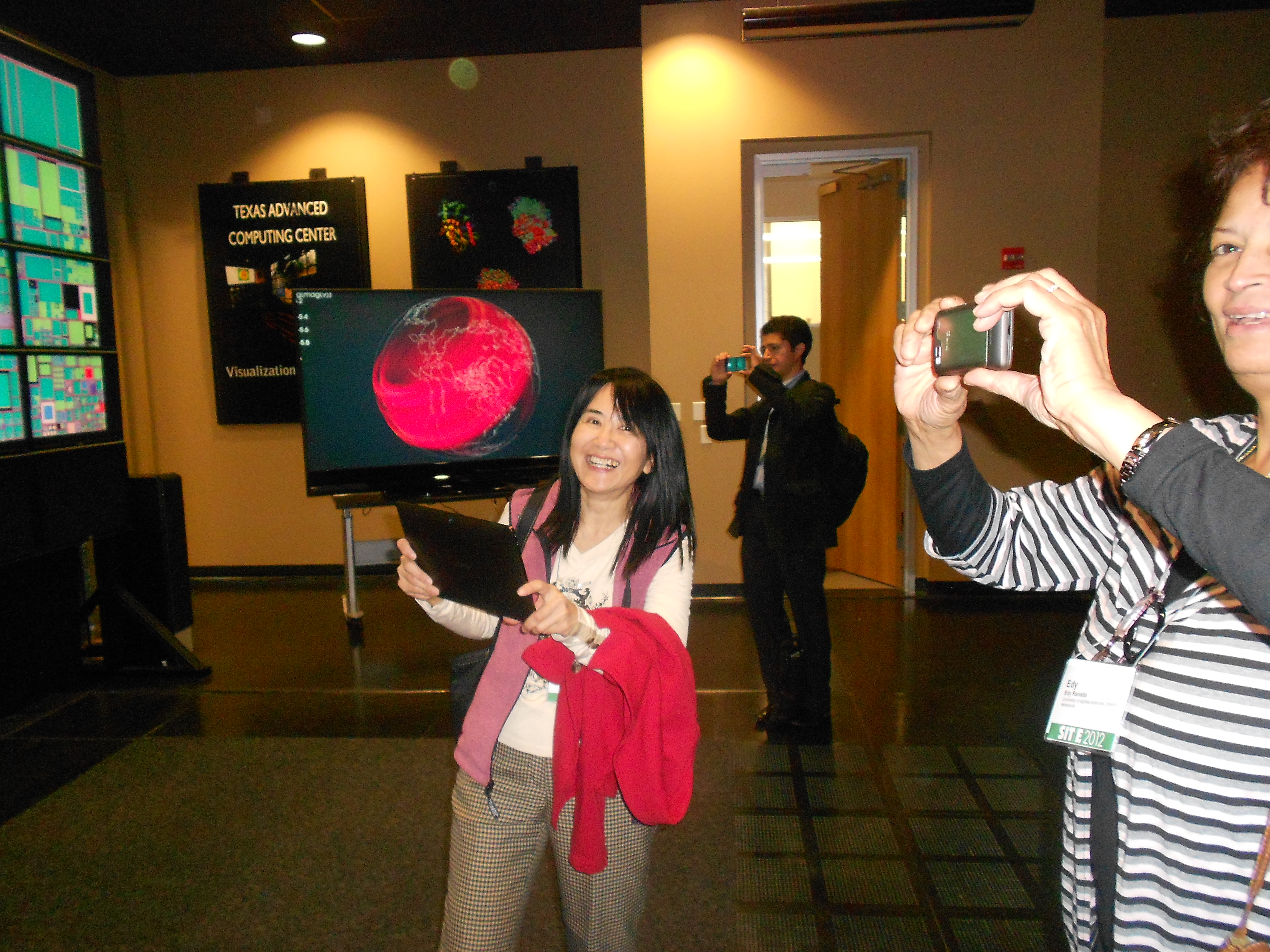
Education Visualization Lab and Visualization Center, The University of Texas at Austin – The Learning Technology Center Educational Visualization Lab is focused on the use of visualization technologies to understand patterns and relationships in massive education data sets. The visit will include a tour of the Learning Technology Center and

also a visit to the TACC Visualization Center that includes, Stallion, the highest resolution tiled display in the world; Longhorn, the largest hardware accelerated, remote, interactive visualization cluster. Was used by NOAA in predicting path for Katrina. » Newsletter

The Learning Technology Center in the College of Education at The University of Texas at Austin supports the instructional and research activities of the College’s students and faculty by providing computer facilities, telecommunications services, and digital media production equipment. The LTC also participates in projects that advance the use of technology to meet the educational needs of learners throughout the state and nation, and around the world.

You can check equipment out to use.

You can take your laptop to be checked.

You can work in the lab.

You can sit with professionals who can help you plan your lessons to be technology integrative.

Teachers can plan to be in workshops to enhance their knowledge .

I have many photos , and I am sure that I am only sharing a bit of what is possible.

Learning at the University of Texas

There are links and resources that have been created for teachers in this center for national, regional and local learning on the website

The information here comes from the newsletter and information gathered during the tour.

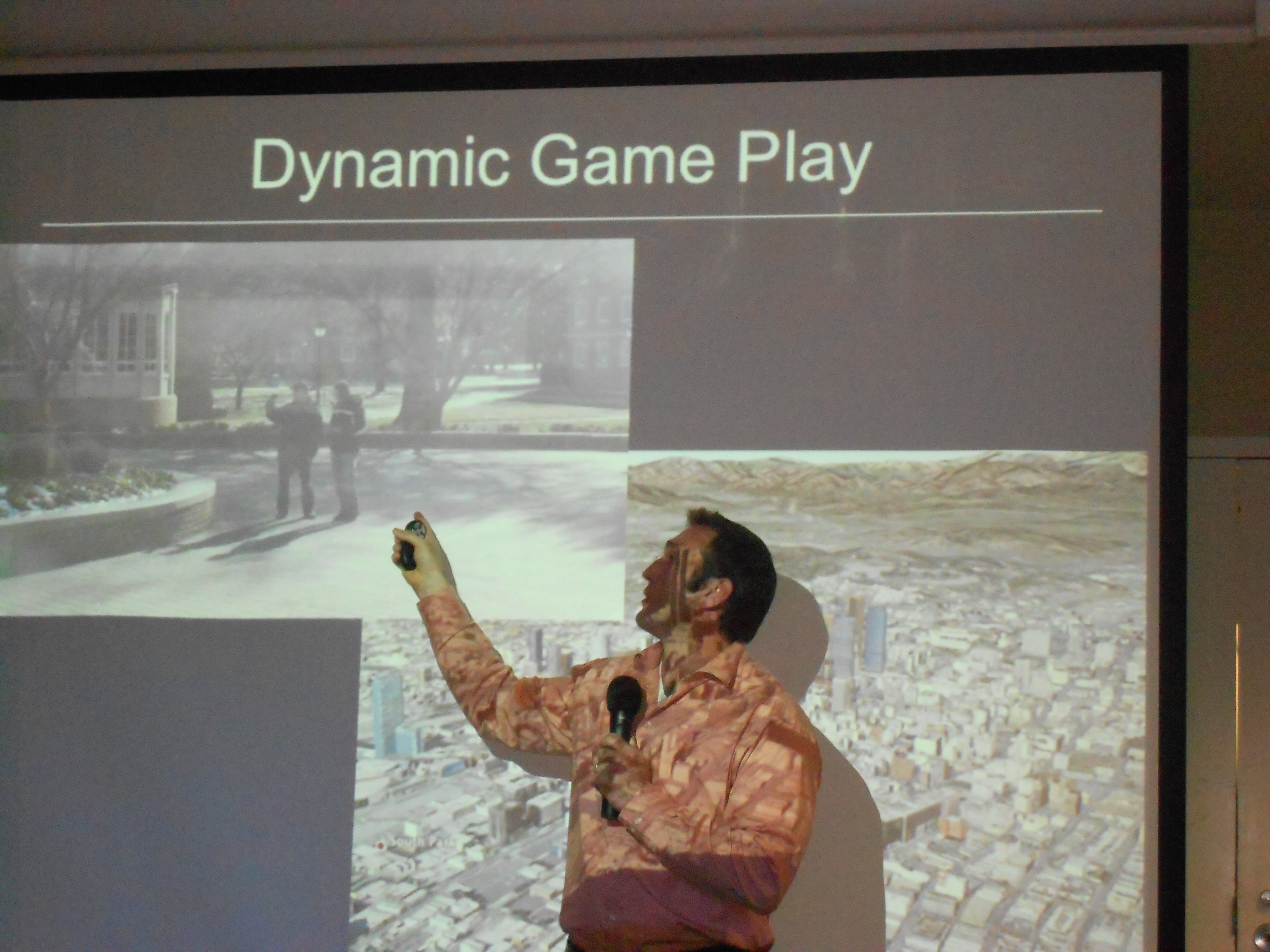
Kelly Gaither, Director of Visualization for the Texas Advanced Computing Center, describes the information conveyed in a simple mapped visualization.

Kelly Gaither, Director of Visualization for TACC, led the workshop, which included an overview of information visualization and visual analytics concepts and how they apply to educational data. Attendees learned the basics of Processing, a popular visualization programming language, to develop information visualizations with their own data. They were later able to view their work on the EdVisLab’s large display.

A participant learns Processing, a visualization programming language.

Both Google Apps for Education and visualization techniques for educational research represent new directions for the College of Education and its use of technology in education. The LTC is constantly exploring new technologies and their benefit to education, and has led the way in bringing these new technologies to the College. The apps will be part of the online tools that are replacing TeachNet and will allow student groups to have increased online collaboration, including co-creation of documents, presentations, and Web sites. The EdVisLab will allow faculty to better analyze large and complex data sets, more easily seeing and understanding patterns, trends, and relationships. For more information about the Google Apps for Education pilot, contact Karen French. Contact Ken Tothero to learn more about the EdVisLab. ( If you live in Tcxas)

.

The LTC equips teaching professionals with new knowledge.

 COE Education Visualization Lab

LTC Director Paul E. Resta speaks to those gathered for the EdVisLab grand opening.

The College of Education (COE) community, staff of the Texas Advanced Computing Center (TACC), and many others interested in visualization on campus gathered Friday, in early February 3 to celebrate the Learning Technology Center’s grand opening of the COE Education Visualization Laboratory (EdVisLab). The event culminated more than a year of planning the lab and designing its equipment and software systems.

Brandt Westing, TACC Research Engineer, shows visitors how visualization can help researchers detect trends and patterns in large amounts of data.

The lab is a joint project with TACC, which provided technical assistance and will help run the lab. The new facility will allow COE researchers to use visualization techniques to better analyze large data sets. The lab features a 15-monitor high resolution tiled display, a 3-D visualization system and a workstation with specialized visualization software.

COE Dean Manuel Justiz spoke first during the opening, praising LTC Director Paul Resta for all his efforts over the years to make the LTC a top-notch, nationally recognized learning technology facility. Dr. Resta then spoke, thanking the Dean for the lab’s funding and thanking all the LTC and TACC staff for the long hours spent creating the lab. Finally, Jay Boisseau, TACC Director, described how the process of adapting TACC visualization programming for use in the EdVisLab led to the development of an improved version of the software.


Texas Advanced Computing Center – Texas Advanced Computing Center is a leading resource provider in the NSF TeraGrid and operates two of the most powerful high performance computing systems in the world, which are used by thousands of scientists and engineers each year to perform research in nearly every branch of knowledge. TACC’s largest supercomputer, Ranger, can perform 579.4 trillion operations per second (or teraflops), and is nearly 30,000 faster than today’s desktop computers. TACC’s newest system, Lonestar 4, which went online in Feb. 2011, clocks in at more than 302 teraflops and offers nearly 200 million computing hours per year to researchers around the world.

The Society for Information Technology & Teacher Education is an international association of individual teacher educators, and affiliated organizations of teacher educators in all disciplines, who are interested in the creation and dissemination of knowledge about the use of information technology in teacher education and faculty/staff development.

The Society seeks to promote research, scholarship, collaboration, exchange, and support among its membership, and to actively foster the development of new national organizations where a need emerges. SITE is the only organization that has as its sole focus the integration of instructional technologies into teacher education programs.

As the official blog of SITE, this website exists to promote dialog and interaction among SITE members as well as non-members about a variety of issues relating to our mission.

Bonnie Bracey Sutton

Digital Citizenship, a SITE Initiative

When I started thinking about the use of the Internet, I remembered all of the people who could not read who asked me to teach them to read when they found out I was a teacher.  That was many years ago and reading literacy is still a problem.

Now I have a new way of thinking, there needs to be more than just reading literacy, I believe digital literacy is a civil rights issue. The headline here talks about the urban poor but it is more than just the urban poor who are worried.

Digital Divide

Without Internet, Urban Poor Fear Being Left Behind In

Digital Age


You must read this article and then think urban, rural, distant, tribal and isolated .http://www.huffingtonpost.com/2012/03/01/internet-access-digital-age_n_1285423.html

Originally published: March 1, 2012

Author: Gerry Smith

[Commentary] An estimated 100 million Americans have no way of accessing the Internet at home. They are on the wrong side of the so-called “digital divide” — the chasm between those who are connected to technology and those who are not.

Some live in remote areas where broadband service doesn’t exist. Many live in blighted urban neighborhoods, unable to afford a computer, let alone Internet service. But being disconnected isn’t just a function of being poor. These days, it is also a reason some people stay poor. As the Internet has become an essential platform for job-hunting and furthering education, those without access are finding the basic tools for escaping poverty increasingly out of reach. “The cost of being offline is greater now than it was 10 years ago,” said John Horrigan, vice president of policy research at TechNet, a trade association representing high-tech companies. “So many important transactions take place online. If you don’t have access to high-speed Internet, you’re missing out on a lot.

 FCC workshops ,  taught me these descriptors.

Barriers to Use

  • Affordability: 36 percent of non-adopters, or 28 million adults, said
    they do not have home broadband because the monthly fee is too
    expensive (15 percent), they cannot afford a computer, the installation
    fee is too high (10 percent), or they do not want to enter into a
    long-term service contract (9 percent). According to survey
    respondents, their average monthly broadband bill is $41.

    We know that there are initiatives for that change. We also know that community organizations can create learning spaces such as libraries, civic centers and chapter houses, or other venues to allow people to have community access.


    Digital Literacy: 22 percent of non-adopters, or 17 million adults,
    indicated that they do not have home broadband because they lack the digital skills (12 percent) or they are concerned about potential
    hazards of online life, such as exposure to inappropriate content or
    security of personal information (10 percent)

    This is a gating reason for many, not just homes but schools. We hope to create awareness , information and resources that will create a pathway to great use of the Internet in our project.

    Relevance: 19 percent of non-adopters, or 15 million adults, said they do not have broadband because they say that the Internet is a waste of time, there is no online content of interest to them or, for dial-up users, they are content with their current service.

    Having been a  teacher Internet pioneer, and having many professionals in our SITE.org to help disseminate  best practices, we in the educational field can help to bridge the gap. There are long-standing projects like Project Zero that provide a model of dissemination. There is the Digital Generation Project. Many of today’s kids are born digital — born into a media-rich, networked world of infinite possibilities. But their digital lifestyle is about more than just cool gadgets; it’s about engagement, self-directed learning, creativity, and empowerment if they have the right learning landscape. The Digital Generation Project tells their stories so that educators and parents can understand how kids  can learn, communicate, and socialize in very different ways than any previous generation was able to do.


    Digital Hopefuls, who make up 22 percent of non-adopters, like the idea of being online but lack the resources for access.
    Few have a computer and, among those who use one, few feel comfortable with the technology. Some 44 percent cite affordability as a barrier to adoption and they are also more likely than average to say digital literacy are a barrier. This group is heavily Hispanic and has a high share of African-Americans.

    There are still some community center initiatives and funding that are created that need replication. Tutor Mentor in Chicago is a great example. 


Literacy today depends on understanding the multiple media that make up our high-tech reality and developing the skills to use them effectively

Years ago Andy Carvin wrote this.

Giving people access doesn’t instantly solve the manifold woes of our communities and schools. If it did, every kid with Internet access would be getting straight A’s and every adult with access would be gainfully employed and prosperous. It’s just not that simple. Technology access is only one small piece of a much larger puzzle, a puzzle that if solved might help raise the quality of life for millions of people. None of us can rightfully say we’ve found all the individual pieces yet, but some of the pieces are obvious enough that we can begin to put the digital divide puzzle together:

The digital divide is about content. The value of the Internet can be directly correlated to the value of its content. If all you can find online is shopping, Pokémon trading clubs, and porn, you could make a pretty good argument that it’s not very important to give people access to the Internet. As anyone who’s used it knows, the Internet can offer a wealth of opportunities for learning and personal enhancement, but we’ve only scratched the surface in terms of its potential. As more underprivileged and disenfranchised communities gain access, the Internet itself must provide the right tools so people are able to take advantage of and use it for more varied purposes, more learning styles, more languages and cultures. The Internet may feel like a diverse place, but when compared with the wealth of diversity and knowledge amongst humanity in the real world, it’s still pretty weak. Until the Net contains content that has true value to all of its potential users it will remain a place for the elite.

There is a bifurcation in use as well. Many only play with 2.O applications, they are good users of simple tools, but building the Internet and creating ideas takes computational thinking. But that’s another subject. Thinking about data mining, visualization, use of languages to build, and other skills needed to do Supercomputing are not in the thinking of educators. Here is the problem, ten years later, there are still people who are not on the Internet.The Pew Charitable Trust gives an update to Andy’s ideas. The slides are here In short they say,.Pew – The emerging information landscape – 8 realities of the “new normal”

“Pew Director Lee Rainie gave a keynote at the NFAIS annual conference about the way the internet and mobile connectivity have transformed the worlds of networked individuals. He discussed how normal life has changed in the past decade because of three revolutions in technology: 1) the spread of broadband; 2) the rise of mobile connectivity; and 3) the emergence of technological social networks. He discussed trends and likely future developments in technology that will shape the way people learn, share, and create information. The slides are here.”

The digital divide is about literacy. As much as we hate to admit it, functional illiteracy amongst adults is  one of America’s dirty little secrets. Millions of adults struggle to fill out forms, follow written instructions, or even read a newspaper. The 1993 National Adult Literacy Survey suggest as many as 44 million American adults—one out of four—are functionally illiterate, while another 50 million adults are plagued by limited literacy. We often talk about the importance of information literacy when it comes to using the Internet. Information literacy is an obviously vital part of the equation, but how can we expect to conquer the digital divide when nearly half of all American adults can’t even process written information competently? Literacy must be tackled at the most basic level in order to afford more people the opportunity to use technology effectively.

The digital divide is about pedagogy. As I wrote recently in the e-journal the Digital Beat  Internet access in schools isn’t worth a hill of beans if teachers aren’t prepared to take full advantage of technology. Research has shown that educators who are resistant to constructivist teaching practices are less likely to utilize the Internet in their lessons, while educators who are more comfortable with constructivist practices are more likely to do so. Teachers who employ more real-world interaction are thus more inclined to employ online interaction. How can professional development be reformed to take these differences into account?

The digital divide is about community. One of the greatest strengths of the Internet is in its facility for fostering communities. Communities often appear in the most low-tech of places: You can surf the Web until your knuckles implode and yet not feel like you’ve actually bonded with anyone, but you can subscribe to a simple e-mail listserv and join a gathering of people who have been enjoying each others’ wisdom for years. It’s paramount for people coming to the Internet for the first time to have opportunities to join communities and forge new communities of their own. Public spaces must be preserved online so that people can gather without feeling like direct marketing or more popular and powerful voices are crowding them out. If people can’t build meaningful relationships online, how can they be expected to gravitate to it? 

We must continue fighting the scourge of illiteracy—among students, their parents, and among the community—by expanding formal and informal opportunities that improve reading and critical-thinking skills. We must demand engaging content from online producers and refuse to buy into mediocre content when it doesn’t suit our teaching needs. We must encourage all learners to be creators as well, sharing their wise voices both online and offline. And we must open our schools and libraries to more connections with our communities—no computer lab or training room should sit idly during evening and weekend hours. These are but a few examples of what the education community can do.These five puzzle pieces—access, content, literacy, pedagogy and community—may not be enough to complete the entire digital divide puzzle, but they go a long way in providing us a picture of what’s at stake. Giving people access to technology is important, but it’s just one of many issues that need to be considered. Schools, libraries, and community centers have taking that first step in getting wired, but they must also consider the needs of the learners, the teachers, and the communities that support them. Broadband accessibility and speed are a problem.

Digital Citizenship is a concept which helps teachers, technology leaders and parents to understand what students/children/technology users should know to use technology appropriately. Digital Citizenship is more than just a teaching tool; it is a way to prepare students/technology users for a society full of technology. Too often we are seeing students as well as adults misusing and abusing technology but not sure what to do. The issue is more than what the users do not know but what is considered appropriate technology usage.

Cyberbullying and Adults

Cyberbullying isn’t just for kids. It never was. But when adults are involved, it’s called “cyberharassment” not “cyberbullying.” WiredSafety’s award-winning website dedicated to the issue of cyberbullying and young people is StopCyberbullying.org . It’s the most popular cyberbullying website in the world. Adult cyberharssment is handled here at WiredSafety.org’s cyberbullying section
* Pew – The emerging information landscape – 8 realities of the “new normal”
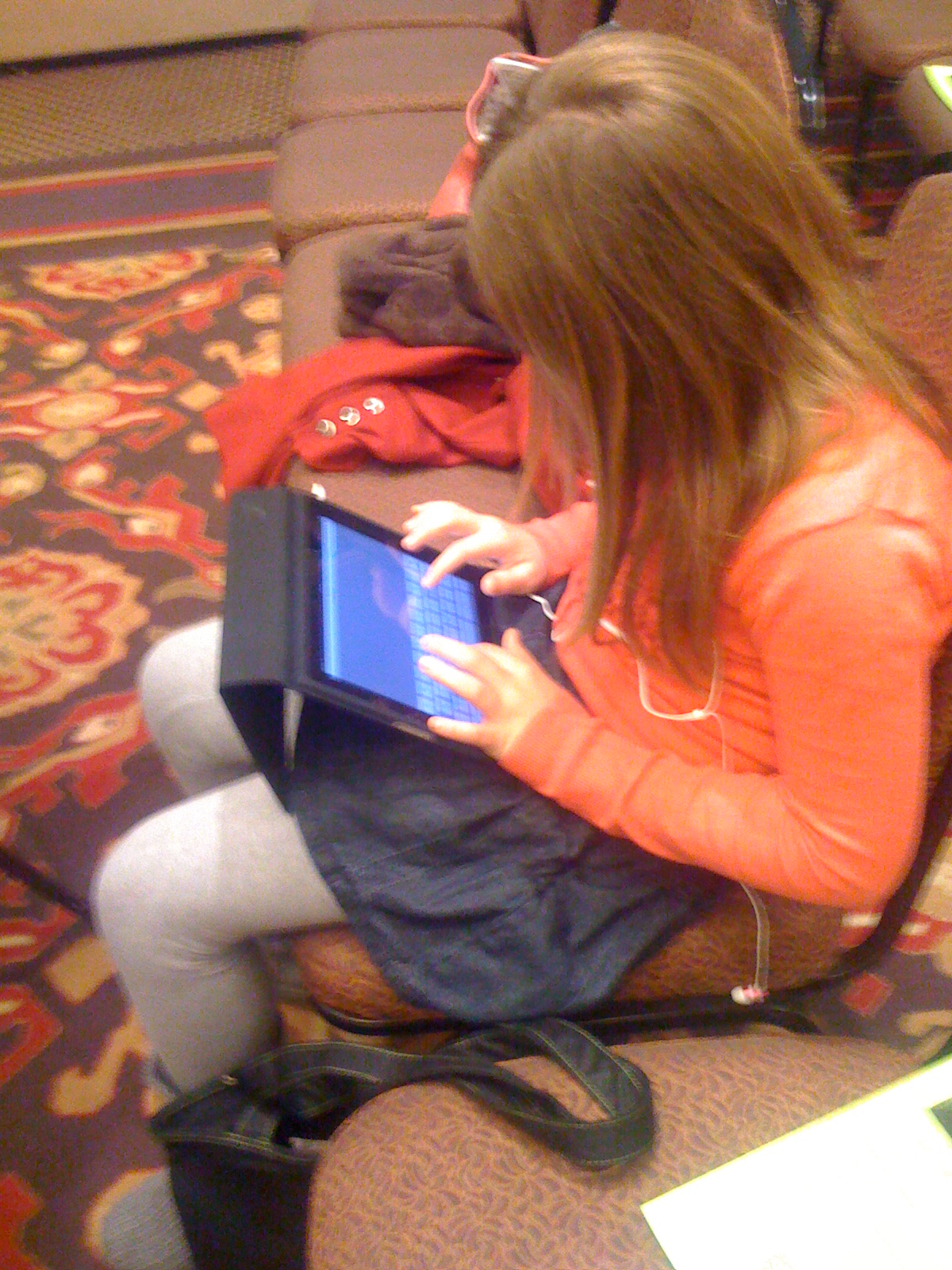
“Pew Director Lee Rainie gave a keynote at the NFAIS annual conference about the way the internet and mobile connectivity have transformed the worlds of networked individuals. He discussed how normal life has changed in the past decade because of three revolutions in technology: 1) the spread of broadband; 2) the rise of mobile connectivity; and 3) the emergence of technological social networks. He discussed trends and likely future developments in technology that will shape the way people learn, share, and create information. The slides in PDF are here.”

.

  Facebook’s Digital Citizenship Research Grants

Introduction

Facebook’s Digital Citizenship Research Grants support world-class research to improve our understanding of how social media can impact the next generation. In August 2011, we invited academic and non-profit institutions to apply for the $200,000 in grants funding research that highlights trends associated with digital citizenship. Nearly 100 researchers from more than 10 countries submitted outstanding applications. Based on in-depth evaluation from a team of Facebook employees and our Safety Advisory Board, we are awarding the inaugural Digital Citizenship Research Grants to FOUR researchers who will advance our global understanding of digital citizenship.

Original

Our leader

Dr. Michael Searson, SITE

Dr. Searson is President of the Society for Information Technology & Teacher Education (SITE) and heads the School for Global Education and Innovation program at Kean University. SITE represents approximately 1500 educators, from about 500 institutions of higher education throughout the world. In these roles, Dr. Searson works with educators across the globe to explore issues related to information technologies, informal learning, mobile devices and social media.The SITE project will bring together a coalition of international scholars, researchers and practitioners who will develop an open source course and course modules for the preparation of future teachers to teach digital citizenship.

Original

http://www.netfamilynews.org/?p=31281

Should You” shoot” your Child’s Computer? Digital Citizenship is a Better Solution

     
Is it Ever OK to Shoot Your Child’s Computer?
 

                                                  We have a better solution.


                                                   digital citizenship      

                                              Here is a  description of sooial media and digital citizenship.

 The Project Digital Generation

 Many of today’s kids are born digital — born into a media-rich, networked world of infinite possibilities. But their digital lifestyle is about more than just cool gadgets; it’s about engagement, self-directed learning, creativity, and empowerment. The Digital Generation Project tells their stories so that educators and parents can understand how kids learn, communicate, and socialize in very different ways than any previous generation.

    Facebook’s Digital Citizenship Research Grants

Introduction

Facebook’s Digital Citizenship Research Grants support world-class research to improve our understanding of how social media can impact the next generation. In August 2011, we invited academic and non-profit institutions to apply for the $200,000 in grants funding research that highlights trends associated with digital citizenship. Nearly 100 researchers from more than 10 countries submitted outstanding applications. Based on in-depth evaluation from a team of Facebook employees and our Safety Advisory Board, we are awarding the inaugural Digital Citizenship Research Grants to these four researchers who will advance our global understanding of digital citizenship.

Original

Our Grantees


Dr. Shaheen Shariff, McGill University

Professor Shaheen Shariff, undertakes research focused on youth and digital media. She guides schools, parents, teens and policy-makers to navigate a balance between online free expression, privacy and safety. Her recent bilingual website, Define the Line helps develop resources, workshops and interactive online forums to reduce cyberbullying and enhance responsible digital citizenship. The DFL team will survey how school kids define the lines between friendly online joking or teasing, and hurtful cyberbullying. They will also examine how teens define the lines between public and private online spaces.

Original

Dr. Michael Searson, SITE

Dr. Searson is President of the Society for Information Technology & Teacher Education (SITE) and heads the School for Global Education and Innovation program at Kean University. SITE represents approximately 1500 educators, from about 500 institutions of higher education throughout the world. In these roles, Dr. Searson works with educators across the globe to explore issues related to information technologies, informal learning, mobile devices and social media.The SITE project will bring together a coalition of international scholars, researchers and practitioners who will develop an open source course and course modules for the preparation of future teachers to teach digital citizenship.

Original

Shari Kessel Schneider, Education Development Center (EDC)

Shari Kessel Schneider is a researcher with the Education Development Center, Inc. (EDC), a global nonprofit dedicated to designing and evaluating programs that address challenges in health and education. Schneider has done extensive work in the fields of bullying and suicide prevention and has been conducting research on cyberbullying trends since 2006. Working with a large group of school districts, the EDC will engage school leaders, parents, and teens to examine existing programs and policies but also to uncover ideas for new strategies and linkages to encourage positive use of social media. Schools across the country are being mandated to take steps to address cyberbullying and protect the health and safety of youth both at school and online. This research will look at the roles of educators, parents and social networking sites to determine how they can work together.

Original

Janice Richardson, European Schoolnet (EUN)

Janice Richardson is a senior adviser at European Schoolnet (EUN), an umbrella organization that works with 33 Ministries of Education across Europe to raise internet safety awareness and to transform teaching and learning through the integration of innovative technology. EUN’s grant will be used for their Social Media in Learning and Education (SMILE) Action Research project to investigate the issues of how much teachers are benefitting from the full potential of social media tools. In addition, the SMILE project will create an online learning course and mentoring techniques for educators.

Original

In Farmville, Learning from Others , Transforming the Teaching and Learning World

Longwood University / Farmville

Do you know Farmville? not the game but the place.


Mano works closely with 25 school divisions in Southside Virginia, particularly in promoting research based instructional practices and expanding the interactive videoconferencing projects using H.323.

My friend, Dr. Manorama Talaiver and I atended a conference in the fall. I learned from it we both shared information from it. She created a project from the Wireless Summit and other information she has gathered to create new opportunities for Virginia participants , She shared what she learned and crafted outreach, courses and people to learn from for the participants.There is also a page that was created to link participants with funding strategies, and grant information. At the conference you could sign up for summer workshops and projects.

One of the presenters sharing ideas.on augmented reality

One of our guru is Dr. Chris Dede, who puts together the Wireless Conference. Here is the URL to his conference so you can at least get the resources.( He also shared his resources at the ISTE Conference)resources from that conference are here.

The Wireless EdTech website includes the speaker presentations, recorded sessions and photos from the conference. Well you don’t need to glue yourself to the website, but you can research , and download the white paper on wireless at your leisure.

Bringing the Ideas Home to Farmville … and Virginia

It was a recipe for success that Dr. Manorama Talaiver used to create outreach in a rural University, called Longwood. She excels at bringing the ideas to the learning community in Virginia. It is in Farmville , Va. It is a wonderful place to learn.

This was the 5th Annual STEM Summit, Entitled“ Formal and Informal STEM , Learning with Mobile Devices“ on Valentine’s Day. Frederick Bertley gave us a great keynote.

The keynote, Frederic Bertley, from the Franklin Institute in Philadelphia, was brilliant — talking about informal science learning. In particular, he had some great slides about minority STEM  role models in science who should be better known (instead of just movie stars and singers). He shared photos of people we should know who are minorities important in STEM.

We learn about the Franklin Science Institute and how it nurtures rural and community

Can you name ten minority STEM  people?
The Center for Innovation in Science Learning, initiated in 1995 as the learning research and development arm of The Franklin Institute, is led by Frederic Bertley, Ph.D. Dr. Bertley is responsible for the sustained development of the learning research portfolio in school partnerships, educational technology programs, gender and family learning, and youth leadership in science and technology.  link

Augmented Reality

from  wikipedia

Augmented reality (AR) is a live, direct or indirect, view of a physical, real-world environment whose elements are augmented by computer-generated sensory input such as sound, video, graphics or GPS data. It is related to a more general concept called mediated reality, in which a view of reality is modified (possibly even diminished rather than augmented) by a computer. As a result, the technology functions by enhancing one’s current perception of reality. By contrast, virtual reality replaces the real world with a simulated one.

Augmentation is conventionally in real-time and in semantic context with environmental elements, such as sports scores on TV during a match. With the help of advanced AR technology (e.g. adding computer vision and object recognition) the information about the surrounding real world of the user becomes interactive and digitally manipulable. Artificial information about the environment and its objects can be overlaid on the real world. The term augmented reality is believed to have been coined in 1990 by Thomas Caudell, working at Boeing.[1]

Research explores the application of computer-generated imagery in live-video streams as a way to enhance the perception of the real world. AR technology includes head-mounted displays and virtual retinal displays for visualization purposes, and construction of controlled environments containing sensors and actuators.

Matt Dunleavy, from Radford University, also had a good presentation on ‘Mobile augmented reality for teaching and learning’.

Video

The story-based, participatory AR games developed by the ROAR team are played on Apple iPhones and Android-based smartphones and use GPS technology to correlate the students’ real world location to their virtual location in the game’s digital world.

As the students walk and run around their school grounds, a map on their handheld displays virtual objects and characters (fig. 1 and 2) who exist in an AR layer superimposed on real space. When students come within approximately 30 feet of these digital artifacts, the AR and GPS software trigger video, audio, and text files, which provide academic and problem solving challenges as well as narrative, navigation, and collaboration cues.
John Hendron  shared– iOS Apps for STEM on Mobile Devices  this was fast and furious so I do not have the URLS

One of many dynamic sites he shared.

G21 – 21st Century Skills

MIT – lifelong K group – always learning, he shared the original work of Papert but then told of us new developments
Scratch app created for iPad but taken down after one day
Apple doesn’t want to use iPad for developers

Apps: That he shared and demonstrated for us.

Roller coaster physics

Virtual Roller Coasters powered by mobile devices..

Tinker box
Sketchpad explorer
Protractor
Clean energy

CSTA is piloting AP  computer science course and he shared how to be involved.

\

Shodor Foundation – Patricia Jacobs & Jennifer Houchins gave  a  presentation on math flyer.

What better to start with than Math Flyer?

Math Flyer addresses a long-standing gap in Math Education. Traditional education uses static, motionless graphs to indicate the relationships between variables. While this works for some concepts, a student with a function and a picture of a graph gains no intuitive sense of the elements of the function and the relationship of each to the shape of the graph. With Math Flyer, we transform the static world of a graphing calculator into a truly dynamic experience. A student can plot a graph and manipulate all of the variables and constants in that graph, allowing him or her to see the relationships firsthand. For example, if a student plots “mx+b” within Math Flyer, he or she gets a graph of a straight line, but also two sliders labeled “m” and “b”. When the student moves these sliders, the graph updates in real time, giving immediate feedback on the role of “m” (the slope of the line, how steep it is) and “b” (the base or y-intercept, that is, the value of y when x=0) in this function. By focusing on the graph and its equation, rather than on the mechanics of plotting a single line, the student more rapidly builds an intuition about the meaning of “m” and “b” in that equation.

Interactivate
Some of the most popular math teaching software on the web!

All Online Activities →

Shodor’s  mission: to improve math and science education through the effective use of modeling and simulation technologies — “computational science.”

Shodor, a national resource for computational science education, is located in Durham, N.C., and serves students and educators nationwide. Our online education tools such as Interactivate and the Computational Science Education Reference Desk (CSERD), a Pathway Portal of the National Science Digital Library (NSDL), help transform learning through computational thinking.

In addition to developing and deploying interactive models, simulations, and educational tools, Shodor serves students and educators directly through workshops and other hands-on experiences. Shodor offers innovative workshops helping faculty and teachers incorporate computational science into their own curricula or programs. This work is done primarily through the National Computational Science Institute (NCSI) in partnership with TeraGrid, NCSA, and other NSF-funded initiatives.

A mentor works with students in the Shodor Scholars Program
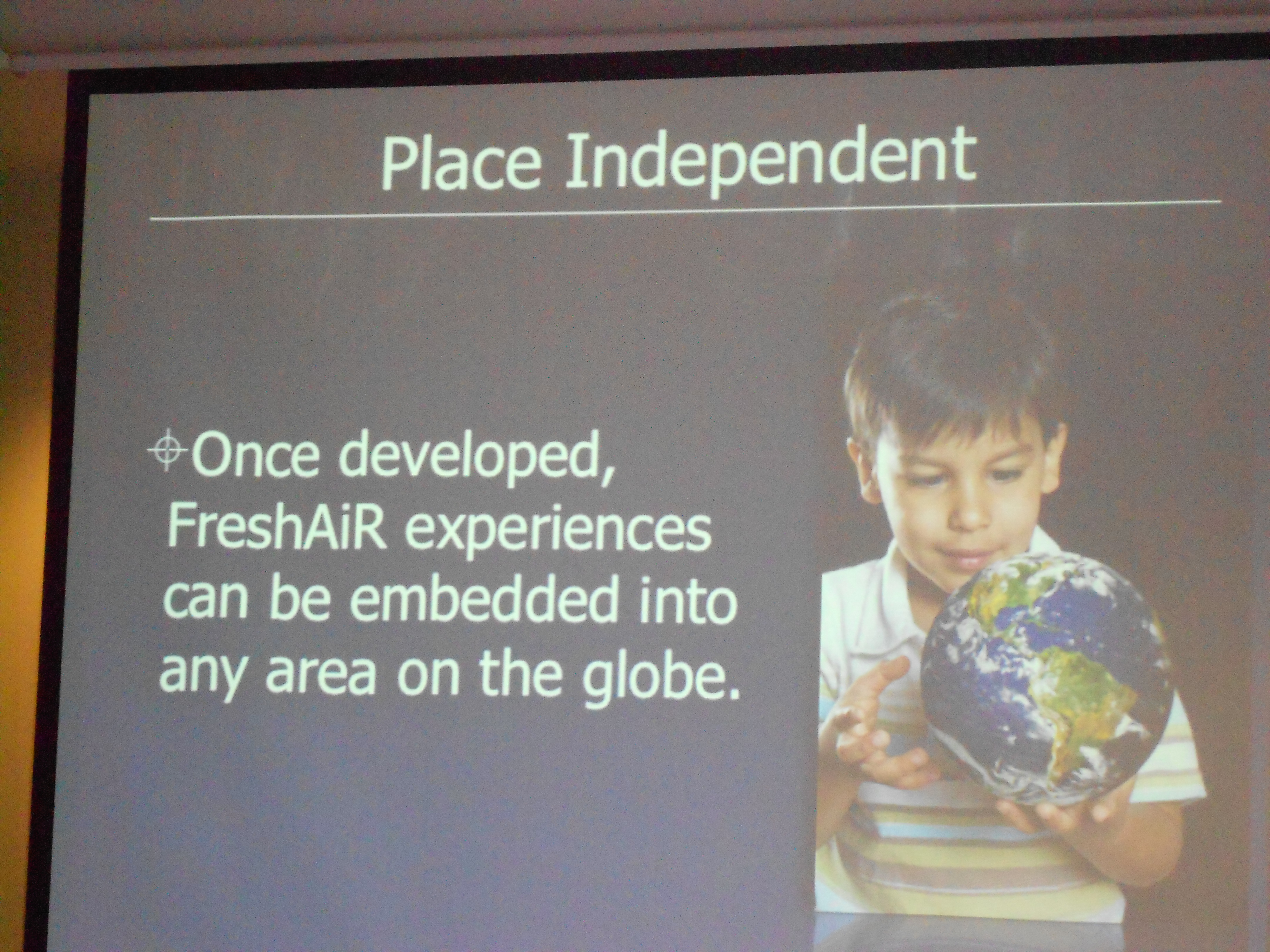
For students from middle school through undergraduate levels of education, Shodor offers workshops, apprenticeships, internships and off-site programs that explore new approaches to math and science education through computational science.

Time and time again, Shodor has been recognized as a national leader and a premier resource in the effective use of computers to improve both math and science education. At this conference, the  primary information shared was the Math  Flyer.

Stephanie Playton – Using cell phones with young students

Even the smallest child in K-12 can be served by mobile devices. This presenter used cell phones to enrich and empower children on a field trip. They had to learn to use the device, they did some texting and used the phone to take pictures of the animals they saw. I don’t have the video on this, but it was so exciting to see that we can change the digital divide by involving students at the lowest levels.


Dr. Kevin Kochersberger – Va Tech is a flyer. Look here He flew the replica of the Wright brothers plane, and shared with us the ideas of  aviation and engineering. He practiced the recreation of the Wright Brothers experience with a simulator , Click through his pictures and you will see it. He also shared these items.


SmartPhone Robotics: Concepts for the Wireless Generation
Using smartphones are much more friendly to program a simulation than using VEX robot!

Mission statement:

The Unmanned Systems Laboratories bring together a diverse collection of researchers to a common facility dedicated to autonomous and remotely operated systems development and integration. Areas of expertise include acoustics, vision and LIDAR systems, image and signal processing, robotics, air and ground vehicle design, ground control stations, communications and vehicle test

Dr. Mary Kasarda and Dr. Brenda Brand, Virginia Tech
Dr. Kasarda gave information on pre-engineering, the STEM workforce, and Virginia Tech’s online courses for teachers. Dr. Kasarda proposed that the Commonwealth require at least one pre-engineering course in the preK-12 curriculum.r. Kasarda and Dr. Brand have developed two online, in-service teachers training classes to better prepare teachers to teach engineering concepts in the classroom.

Dr. Brand discussed the difficulty in attracting underrepresented populations to the STEM fields in the preK-12 system. One successful program highlighted by Dr. Brand was a high school elective class built around and integrated with the FIRST Robotics program. Their presentation was entitled unpack STEM.

There are barriers to use for teachers in technology. One thing is that we
often are given 2.0 resources as if they are the answer to the uses of technology. People are playing around on the web with light weight applications when they could be technofluent with technology in new and meaningful ways.

Mano offered us, Smartphone Robotics, MathFlyer, Mobile Augmented Reality for Teaching and Learning, Logo Draw with Ipad and more than that..

I enjoyed meeting a new person, Stephanie Playton, who shared how she used cell phones with little learners, and how we could get the resources. Her presentation was awesome as well.