US Russian Exchange… A life changing experience!!!

I have been home long enough to take a reflective look back on the Russian Fellowship. I worked in Samara and Saint Petersburg. I spoke tourist level language. I learned a lot about living in the world. There is even a video that shows the big picture of the projects.

https://www.youtube.com/watch?v=tVeGG3q2Ax4&feature=youtu.be

1958412_754223047924177_1538133515_n

Video of the Project from the Eurasia Foundation
This short video gives an overview of SEE and showcases some of the amazing 2014 projects.
http://youtu.be/tVeGG3q2Ax4
 
Be sure to watch from minute 3 for the (Education Group)
 Санкт-Петербург- Saint Petersburg, Russia
(once known also as Leningrad) was our first stop)1523887_10152192603016327_265439486_o.

My husband wrote,

VicSutton80By Vic Sutton

At a time when relations between the United States and Russia are cooling – if not cold – an innovative programme of the Eurasia Foundation continues to promote exchanges of professionals from both countries.

The ‘U.S.-Russia Social Expertise Exchange’ (SEE for short) was set up to promote co-operation between civil society leaders from the two countries.

Twelve working groups bring together experts in programme areas that include, for example, child protection, collaborative journalism, gender equity, and ‘rule of law and the community’.
Bonnie Bracey Sutton

My wife, Bonnie Bracey Sutton, is a member of the SEE working group on ‘Education and Youth’, and I had the chance to accompany her to its last meeting, held on 10-11 October in Washington, DC.The working group had a research seminar in March 2015,

Our greatest surprise was to discover that Russia, despite its leadership in areas like space technology, is a poor country. People take home USD 250-300 a month. Of course, prices are lower than in the U.S, so that is not so terrible in terms of purchasing power.

The U.S. Government has said that despite poor political relationships, social and cultural exchanges between the two countries will continue to be funded. We hope so, and we will see what modest support we can provide to contribute to them.

Saint Petersburg 

Russian Language?DSCN2090

I tried to learn the Russian language, but I was not fluent.  Help I received from younger fellows who were Russian Language Majors was excellent.Google Glass helped me us with menu choices, locations and navigation.

My teacher used very formal lessons which worked in very , very formal situations. Later in the trip we had others who facilitated easily.Perhaps because they were Russian ( English Language Teachers) they stayed  in the background except when needed. People were friendly and accommodating. Many people speak reasonable English. There is a respect for age. People give up their seats and they help you. This was a surprise to me.

1966305_10201769403418081_1271412347_o

I had help from Google Glass for some things. It was like a second helper to me. I could do street signs and use Google translate for menus and programs as well. I could find things in stores, and negotiate the metro. I did not wear it much except in classrooms and in places to dine , since my Russian is at tourist level.It was helpful because it could define areas of the cities to know about , and places that I would like to visit, though I was not there for a vacation.There was little play time. Most helpful was a knowledge of cultural geography, and a refreshment reading of the Ages of Civilization ( Will and Ariel Durant’s history of the world). Internet was always available and fast in the hotels where I stayed. Schools were somewhat conservative in use of technology except in the Institute for Medicine. ( I will explain that later)

Education is very different in Russia.Here are pictures of this wonderful place. It has unusual facilities. https://www.facebook.com/bonnie.sutton/media_set?set=a.10152943058346327.593996326&type=3

Education, Race and Place

Speaking about education in the US is at best complicated, . Institutes have thematic approaches to learning that are integrated and career oriented.

I was warned about racism in Russia. it was not a problem for me.Well, I giggled like a nervous school girls when a student labeled me exotic and talked about reading Anne Rice’s novels.This student wanted to go to New Orleans and eat red beans and rice, and or gumbo. This was on a day when I was thinking to myself, hair I am, that was because I forgot to bring a curling iron or Moroccan oil and the costs of cosmetics from the US, were prohibitive.
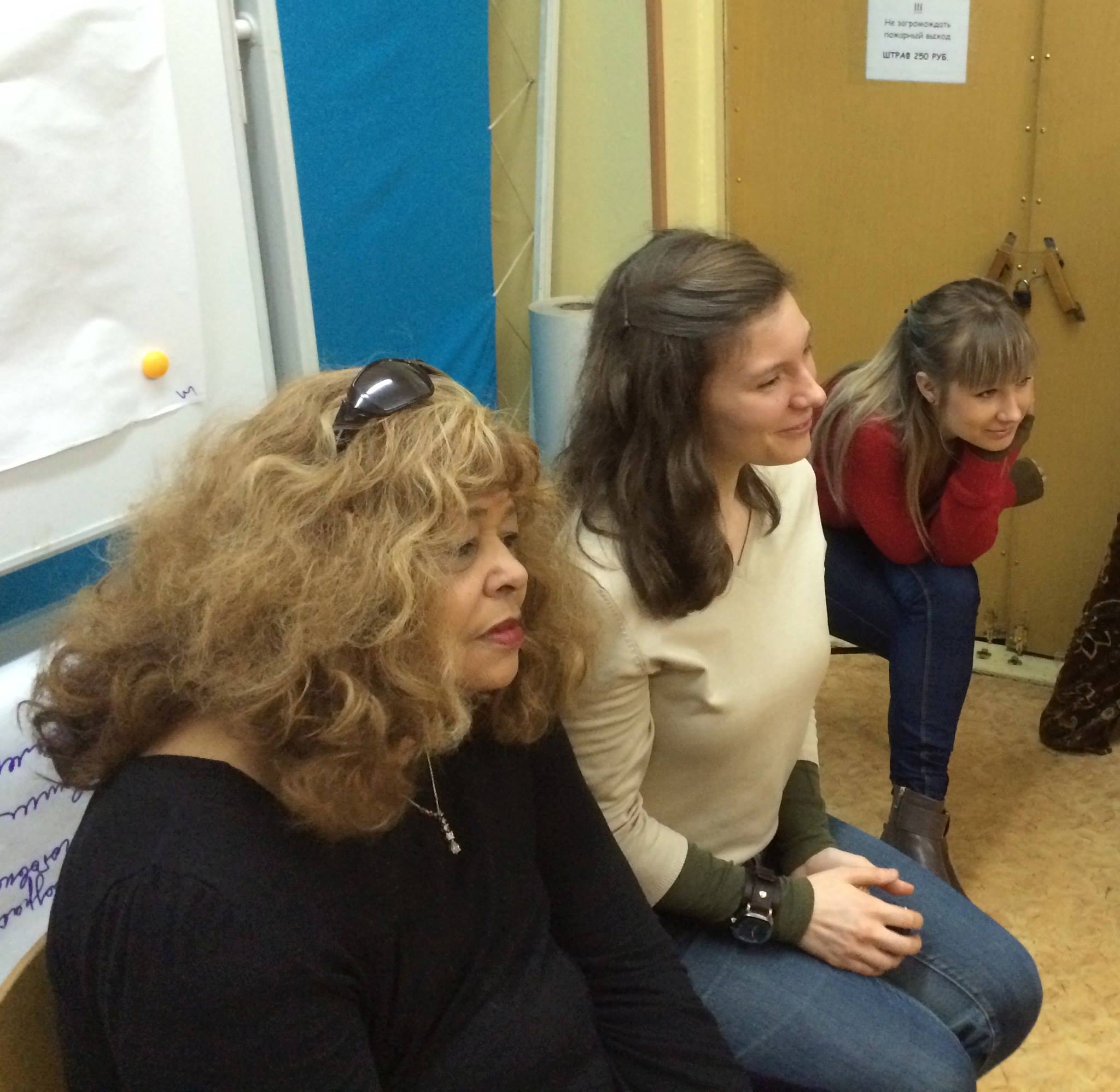
1957680_10152256230801327_838800433_o

It was then that I noticed that lots of people had blue eyes and straight hair. I never saw another person to identify as of color, except a West African who clearly was enjoying his status in Saint Petersburg as a rare individual. Once someone asked me how old I was. Once a small child kissed me . Always in the Metro, people got up and gave me a seat. That was interesting to observe. The constant rain or snow frizzed my hair on a daily basis.I think I am a weather wimp. I now understand why my part of the world (Washington DC is called the South)and I do have a pair of Uggs..

1504507_10201472707680873_1064750426_o

Saint Petersburg was very international. People from all over the world were visiting .It is an international city like Washington, DC.

We visited private and state schools which are termed Institutes. Institutes have a theme and students are educated , constantly on that theme so that their talents and skills can be cultivated. No need to “flip” classes, as there are not pull outs and interruptions in the school day from what we observed. The classes, sports, chorus, dance and involvement with museums and other learning institutions is after school and for a sustained period of time. Students in big cities have
access to food, after school care, and resources of a cultural or sports project.

Capital Cities. Washington, Saint Petersburg( swamp cities)

Thinking about going to Saint Petersburg , meant wading through it’s history which I am still absorbing. I was there on the anniversary of the siege of Leningrad, which was it’s name at that time. At first I did not understand what it was all about. Old men with gold medals and people
came to celebrate the breaking of the siege of Saint Petersburg. A bulletin board in a room in a school got my attention. Then I understood. Technology online gave me the story.

This is from the web site of Saint Petersburg.http://www.saint-petersburg.com/history/siege.asp

” This was undoubtedly the most tragic period in the history of the city, a period full of suffering and heroism. For everyone who lives in St. Petersburg the Blokada (the Siege) of Leningrad is an important part of the city’s heritage and a painful memory for the population’s older generations.
Less than two and a half months after the Soviet Union was attacked by Nazi Germany, German troops were already approaching Leningrad. The Red Army was outflanked and on September 8 1941 the Germans had fully encircled Leningrad and the siege began. The siege lasted for a total of 900 days, from September 8 1941 until January 27 1944. The city’s almost 3 million civilians (including about 400,000 children) refused to surrender and endured rapidly increasing hardships in the encircled city. Food and fuel stocks were limited to a mere 1-2 month supply, public transport was not operational and by the winter of 1941-42 there was no heating, no water supply, almost no electricity and very little food. In January 1942 in the depths of an unusually cold winter, the city’s food rations reached an all time low of only 125 grams (about 1/4 of a pound) of bread per person per day. In just two months, January and February of 1942, 200,000 people died in Leningrad of cold and starvation.”
Saint Petersburg is the second largest city in Russia, politically incorporated as a federal subject and was created, like Washington , DC, on a swamp. It was a Russian window to the west.. It is located on the Neva River at the head of the Gulf of Finland on the Baltic Sea. This makes it very interesting in terms of it’s geographic position, and locale.

When I was there it was a frozen city. It was cold I was not prepared for it. I think the
weather was severe for me, but I learned to manage it with the right clothing, attitude and
food. I imagine that people who live in colder climates found my discomfort interesting if not funny.

Finally, I accepted that it would snow every day and learned to walk on snow over ice. Hood, hat, scarf and thick boots. I also drank lots of hot tea ate oatmeal, rice porridge and wonderful soups.

DNA of Cultural Components

If you think food, shelter, clothing, music, schools, transportation and communication.
Russian culture has a rich history, strong traditions and influential arts, especially when it comes to literature, philosophy, classical music, ballet, architecture, painting, cinema and animation. In a museum there is a complex outreach to students in the region.

Some museums are completely supported by the state, no outside funding needed or wanted.
That was a surprise to me.
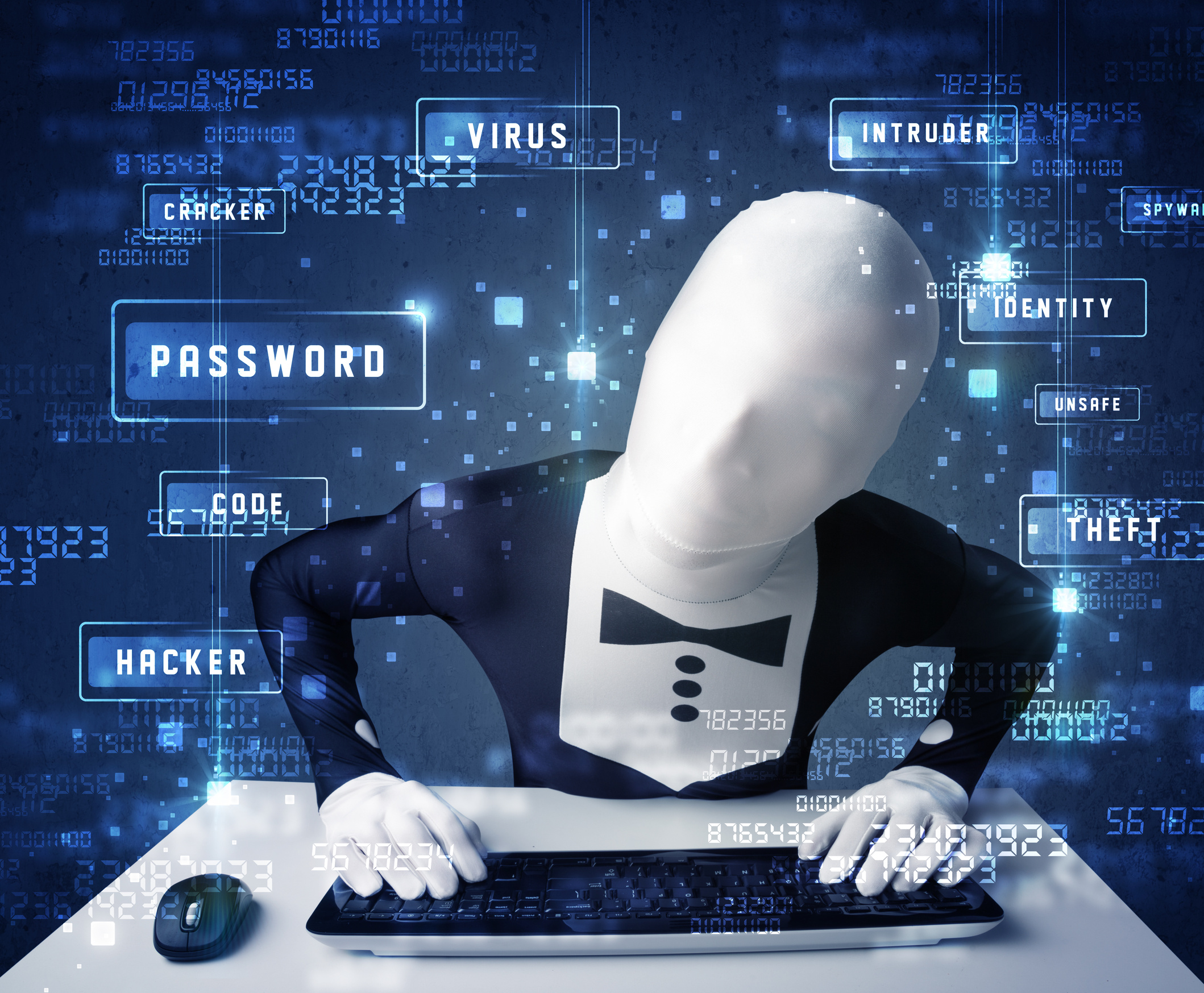
Digital Citizenship – Putting the pieces all together to understand what to do!!

Man without identity programing in technology enviroment with cyOffering a Course, a Family Initiative,Global Resources, a Teacher Tool Kit
and Peer Gathered Resources.

Choose your tools for Digital Citizenship Understanding!

This all started 20 years ago with a Clinton Initiative, for the NIIAC.
Imagine you had a device that combined a telephone, a TV, a camcorder and a personal computer. No matter where you went or what time it was, your child could see you and talk to you, you could watch a replay of your team’s last game, you could browse the latest additions to the library, or you could find the best prices in town on groceries, furniture, clothes — whatever you needed.”
The above paragraph was the opening paragraph of the Agenda for Action — 20 years ago.
Today we are still trying to tame technology with resources, peer knowledge and collaboration.

1.COURSE

Course name: Digital Citizenship MOOC for Educators, Spring 2014
Course site: jasonohler.com/dcm2014
Cost: MOOC option is free

mooc
Web definitions
A massive open online course is an online course aimed at unlimited participation and open access via the web. …
http://en.wikipedia.org/wiki/MOOC

Teacher/contact: jasonohler@gmail.com
What is the course about?
This is a course about digital citizenship, a relatively new area of inquiry that has emerged because of our desire to help students manage their digital lifestyles safely and responsibly, without losing their sense of inspiration and opportunity.


How is it offered?

This course is offered in three ways: as a graduate course, a professional development course, and as a MOOC, in that anyone can use the materials and join in all of the conversations that are part of the class. There are no grades awarded for the MOOC class, and there are no costs associated with it except for materials that MOOC participants elect to purchase. MOOC participants do not have to register for the class. However, doing so allows them to stay in touch more easily with others in the course and to receive mailings about the course and associated activities.

Why digital citizenship?

The web is so pervasive and invisible, and provides access to so many different kinds of experiences, that we have developed a keen and sometimes urgent interest in understanding how best to help our children and ourselves navigate this new world.
In the K12 educational arena, this interest has been given the name “digital citizenship,” a reference to our belief that the Internet offers a kind of community experience. Digital citizenship seeks to answer the question, “What does it mean to be a model citizen in this new kind of community?” Ultimately, it also addresses another essential question: “How can we maintain a sense of humanity as we learn to co-exist with the immensely powerful machines and networks of our own creation?”

What is addressed?

In practical terms, the course looks at policies, curriculum, tools and perspectives that address digital citizenship issues within the K-12 educational arena. It also addresses some of the hot button issues of the day, such as cyberbullying, media literacy, and how to make ethical decisions associated with online activities. It features some of the experts in the field, including Mike Ribble (Digital Citizenship in the Schools), Nancy Willard (CyberSavvy), Frank Gallagher (Cable in the Classroom).

Who is this course for?

The primary audience for this course is K12 education community members, including teachers, students, administrators, school board members. But this course is also for parents, community members, anyone from government or business- in short, anyone interested in the larger issues involved in living, learning, working and having fun in the digital age, particularly as those issues impact our children.

Other Resources:
Bullying and Technology: What does it mean for parents?

For Parents and Community
http://evanston.suntimes.com/people/voices/cyb_erbully-EVA-01092014:article

FOSI.org

Family Online Safety Contract
Check out our Resources tab featuring helpful tips for parents and kids during back-to-school season, and download a copy of our the safety contract.
This video might be helpful as well. http://www.youtube.com/watch?v=hSQ6GcskLNg
FOSI GRID ( International)http://www.fosigrid.org
FOSI’s Global Resource and Information Directory (GRID) is designed to create a single, factual and up-to-date source for all those dedicated to making the Internet a safer and better place. As a family online safety portal, it aggregates information from a comprehensive range of trusted sources and combined with expert oversight, provides a unique and exciting new collaborative platform.

GRID monitors, tracks and provides commentary on the efforts of countries around the world to make the Internet safer for their citizens. By placing them in their correct cultural context, the educational, legislative and regulatory approach of many countries is seen properly for the first time. GRID is already attracting praise:
“FOSI’s GRID is a remarkable and ground breaking achievement! Nothing can prepare you for the depth, quality and scale of the family online safety content that GRID delivers. It will provide a vital and important new collaborative tool for industry, government and online safety professionals throughout the world.”
Professor Tanya Byron – Leading child psychologist and author of the Children in a Digital World Report, an influential review commissioned by the UK Government.
Using the very latest technology, GRID’s interactive maps, timelines and easy to use features bring clarity and new insights. Comprehensive directories that scope the work of industry and define the challenges, as well as GRID’s expert-moderated updates and quarterly reviews, create a unique ‘one stop shop.’

Who is Parry Aftab.. one of those of us who started out with the Clinton Initiative NIIAC> She is a real Internet lawyer.http://insurancenewsnet.com/oarticle/2013/12/19/cyberlaw-expert-parry-aftab-talks-cyberbullying-and-online-student-safety-at-the-a-439412.html#.UsgF2_2c8dt

Wired Safety Video on Cyber-bullying. It’s the Best!!
http://stopcyberbullying.org

1412565_10152013778786327_1555285607_o

Teacher Tool Kit from Wired Safety

Your personalized resource. You can fill out information at the link above to get it.

Stop Cyber Bullying Toolkit is now available! http://stopcyberbullying.org/index2.php
Authored by Dr. Parry Aftab and created by WiredSafety.org,Who is Parry Aftab?
She is a real Cyberlawyer.
the toolkit provides all of the information a school or community organization needs; it also provides young people with a mission.
Through the StopCyberbullying Pledge, they can take a stand against cyberbullying. By taking the pledge they promise to be part
of the solution, not part of the problem. The entire StopCyberbullying program is designed to motivate schools, students,
and their parents to do something, not just stand there while others are hurt. It gives them the tools and information
that they need to create their own grassroots campaign and address cyberbullying and hate online wherever they find it.

Peer Gathered Resources from Scoop.it

child

http://www.scoop.it/t/digital-citizenship-goals-in-education

Vic and Bonnie Sutton
Scoop.it? http://www.scoop.it/

Gamification you ask? Glad you asked. Alex Wonder!!
!Alex Wonder Kid Cyberdetective is a new game introduced by WiredSafety.org designed to help children safely navigate the Internet. Children follow the adventures of Alex Wonder as he helps children learn to identify the warning signs of cyberbullying and learn how to responsibly use the Internet.

“…The game teaches kids how to spot, avoid and address cyberbullying. So, they have to qualify as kid cyber detectives who help Alex, who works out of the janitor’s closet at the middle school, learn how to help other kids being cyber bullied,” explained Parry Aftab, Executive Director, WiredSafety, to CNN in an interview. Download the new free Alex Wonder Kid Cyberdetective Agency Game to help stop cyberbullying
**Requires Adobe Air to Install
bottom of page here ,http://stopcyberbullying.org/index2.html