School to Prison Pipeline- the Achievement Gap

008At the SITE.org conference there was a presentation, a keynote referencing the trouble of boys, minority boys. People seem to have just discovered this problem. It may be because of the President’s initiative. I have known so many people who got lost in the system, I did not want to go and cry and think about them.I lived in Alexandria, Virginia when the city’s population was mostly black and white. People came to Alexandria from the deep south to go to school. Most everyone in my family has done some teaching. I dedicated my working life to making change, but not a lot of change has happened.

it is Spring on the Chesapeake. Gone are the days of using Oystering for a living, crabbing and a little truck gardening for a sustainable life. Today, one need to code, use computers, and have lots of other skills. But the industrial arts seem to have disappeared here and there.

IMG_0264

When I first started teaching in a school, a black school, there was a place right outside my window where day laborers huddled around a fire. Lots of the kids that were in that class had relatives who were out there. I didn’t have to say much about why it was important to learn. Those huddled around the fire, said it all.We never teased about it, but people’s relatives were there.
You just had to look.

SOCIAL JUSTICE AND DIGITAL EQUITY- SIG DE NOTES FOR NOVEMBER

My dad was a high school shop teacher. He was also a mentor for many troubled boys. I have seen them come and go. When he died so many came to say goodbye.. but all of them could not, as some of them did not escape the prison system.

Fortunately ,many did and talked about mentorship, how he counseled them and helped them. My mother fussed a lot about these boys, who ate, sometimes slept and who hung around our family. My dad paid them regular wages when they crawled under houses and wired people’s homes.This was good for them to learn to earn, manage and have a plan for getting to go to school, if that was what they wanted. Some of them used Industrial Arts to earn money to go to college. * I was married by one of his students, who paused in the ceremony to speak of my father. Lots of those types of opportunities have disappeared from career education.

When integration happened, my father got the dregs, the people no one wanted to teach. They used to always put them into shop. My father was a no nonsense kind of guy who was able to teach bricklaying, electrical shop and carpentry. He had a wry sense of humor that helped a lot too. I am not sure where he learned to be able to teach people with disabilities. He was excellent in that skill. There were students who did really well, but they had to go by the rules.

My father and a Jewish friend of his, re-habbed houses for people who escaped the Holocaust, and poor people who came up from southern states as well. During those days, the NAACP and Jewish leaders worked together because they understood the problems of exclusion.

The things that people said about the prison pipeline were nothing new. But I am glad they said them. Maybe people new to the problem will care. We still have discretional segregation and some of it is done so skillfully that many people are not aware of it.

Here is an excellent written presentation of the problem from Teaching Tolerance.

Publications
The School-to-Prison Pipeline

Blogs and Articles: Discipline and Behavior
Printer-friendly versionPrinter-friendly version
Number 43: Spring 2013

Illustration by Chris Buzelli
In Meridian, Miss., police routinely arrest and transport youths to a juvenile detention center for minor classroom misbehaviors. In Jefferson Parish, La., according to a U.S. Department of Justice complaint, school officials have given armed police “unfettered authority to stop, frisk, detain, question, search and arrest schoolchildren on and off school grounds.” In Birmingham, Ala., police officers are permanently stationed in nearly every high school.

In fact, hundreds of school districts across the country employ discipline policies that push students out of the classroom and into the criminal justice system at alarming rates—a phenomenon known as the school-to-prison pipeline.

Last month, Sen. Richard Durbin, D-Ill., held the first federal hearing on the school-to-prison pipeline—an important step toward ending policies that favor incarceration over education and disproportionately push minority students and students with disabilities out of schools and into jails.

In opening the hearing, Durbin told the subcommittee of the Senate Judiciary Committee, “For many young people, our schools are increasingly a gateway to the criminal justice system. This phenomenon is a consequence of a culture of zero tolerance that is widespread in our schools and is depriving many children of their fundamental right to an education.”

A wide array of organizations—including the Southern Poverty Law Center, the NAACP and Dignity in Schools—offered testimony during the hearing. They joined representatives from the Departments of Education and Justice to shine a national spotlight on a situation viewed far too often as a local responsibility.

“We have a national problem that deserves federal action,” Matthew Cregor, an attorney with the NAACP Legal Defense Fund, explained. “With suspension a top predictor of dropout, we must confront this practice if we are ever to end the ‘dropout crisis’ or the so-called achievement gap.” In the words of Vermont’s Sen. Patrick Leahy, “As a nation, we can do better.”

What is the School-to-Prison Pipeline?
Policies that encourage police presence at schools, harsh tactics including physical restraint, and automatic punishments that result in suspensions and out-of-class time are huge contributors to the pipeline, but the problem is more complex than that.

The school-to-prison pipeline starts (or is best avoided) in the classroom. When combined with zero-tolerance policies, a teacher’s decision to refer students for punishment can mean they are pushed out of the classroom—and much more likely to be introduced into the criminal justice system.

Who’s in the Pipeline?
Students from two groups—racial minorities and children with disabilities—are disproportionately represented in the school-to-prison pipeline. African-American students, for instance, are 3.5 times more likely than their white classmates to be suspended or expelled, according to a nationwide study by the U.S. Department of Education Office for Civil Rights. Black children constitute 18 percent of students, but they account for 46 percent of those suspended more than once.

For students with disabilities, the numbers are equally troubling. One report found that while 8.6 percent of public school children have been identified as having disabilities that affect their ability to learn, these students make up 32 percent of youth in juvenile detention centers.

The racial disparities are even starker for students with disabilities. About 1 in 4 black children with disabilities were suspended at least once, versus 1 in 11 white students, according to an analysis of the government report by Daniel J. Losen, director of the Center for Civil Rights Remedies of the Civil Rights Project at UCLA.

A landmark study published last year tracked nearly 1 million Texas students for at least six years. The study controlled for more than 80 variables, such as socioeconomic class, to see how they affected the likelihood of school discipline. The study found that African Americans were disproportionately punished compared with otherwise similar white and Latino students. Children with emotional disabilities also were disproportionately suspended and expelled.

In other studies, Losen found racial differences in suspension rates have widened since the early 1970s and that suspension is being used more frequently as a disciplinary tool. But he said his recent study and other research show that removing children from school does not improve their behavior. Instead, it greatly increases the likelihood that they’ll drop out and wind up behind bars.

Punishing Policies
The SPLC advocates for changes to end the school-to-prison pipeline and has filed lawsuits or civil rights complaints against districts with punitive discipline practices that are discriminatory in impact.

According to the U.S. Department of Justice, the number of school resource officers rose 38 percent between 1997 and 2007. Jerri Katzerman, SPLC deputy legal director, said this surge in police on campus has helped to criminalize many students and fill the pipeline.

One 2005 study found that children are far more likely to be arrested at school than they were a generation ago. The vast majority of these arrests are for nonviolent offenses. In most cases, the students are simply being disruptive. And a recent U.S. Department of Education study found that more than 70 percent of students arrested in school-related incidents or referred to law enforcement are black or Hispanic. Zero-tolerance policies, which set one-size-fits-all punishments for a variety of behaviors, have fed these trends.

Best Practices
Instead of pushing children out, Katzerman said, “Teachers need a lot more support and training for effective discipline, and schools need to use best practices for behavior modification to keep these kids in school where they belong.”

Keeping at-risk kids in class can be a tough order for educators under pressure to meet accountability measures, but classroom teachers are in a unique position to divert students from the school-to-prison pipeline.

Teachers know their students better than any resource officer or administrator—which puts them in a singularly empowered position to keep students in the classroom. It’s not easy, but when teachers take a more responsive and less punitive approach in the classroom, students are more likely to complete their education.

The information in “A Teacher’s Guide to Rerouting the Pipeline” highlights common scenarios that push young people into the school-to-prison pipeline and offers practical advice for how teachers can dismantle the school-to-prison pipeline.

>> Avoiding the Pipeline

How can school districts divert the school-to-prison pipeline?
1. Increase the use of positive behavior interventions and supports.
2. Compile annual reports on the total number of disciplinary actions that push students out of the classroom based on gender, race and ability.
3. Create agreements with police departments and court systems to limit arrests at school and the use of restraints, such as mace and handcuffs.
4. Provide simple explanations of infractions and prescribed responses in the student code of conduct to ensure fairness.
5. Create appropriate limits on the use of law enforcement in public schools.
6. Train teachers on the use of positive behavior supports for at-risk students.

What is the School-to-Prison Pipeline?
Policies that encourage police presence at schools, harsh tactics including physical restraint, and automatic punishments that result in suspensions and out-of-class time are huge contributors to the pipeline, but the problem is more complex than that.

The school-to-prison pipeline starts (or is best avoided) in the classroom. When combined with zero-tolerance policies, a teacher’s decision to refer students for punishment can mean they are pushed out of the classroom—and much more likely to be introduced into the criminal justice system.

Who’s in the Pipeline?
Students from two groups—racial minorities and children with disabilities—are disproportionately represented in the school-to-prison pipeline. African-American students, for instance, are 3.5 times more likely than their white classmates to be suspended or expelled, according to a nationwide study by the U.S. Department of Education Office for Civil Rights. Black children constitute 18 percent of students, but they account for 46 percent of those suspended more than once.

For students with disabilities, the numbers are equally troubling. One report found that while 8.6 percent of public school children have been identified as having disabilities that affect their ability to learn, these students make up 32 percent of youth in juvenile detention centers.

The racial disparities are even starker for students with disabilities. About 1 in 4 black children with disabilities were suspended at least once, versus 1 in 11 white students, according to an analysis of the government report by Daniel J. Losen, director of the Center for Civil Rights Remedies of the Civil Rights Project at UCLA.

A landmark study published last year tracked nearly 1 million Texas students for at least six years. The study controlled for more than 80 variables, such as socioeconomic class, to see how they affected the likelihood of school discipline. The study found that African Americans were disproportionately punished compared with otherwise similar white and Latino students. Children with emotional disabilities also were disproportionately suspended and expelled.

In other studies, Losen found racial differences in suspension rates have widened since the early 1970s and that suspension is being used more frequently as a disciplinary tool. But he said his recent study and other research show that removing children from school does not improve their behavior. Instead, it greatly increases the likelihood that they’ll drop out and wind up behind bars.

Punishing Policies
The SPLC advocates for changes to end the school-to-prison pipeline and has filed lawsuits or civil rights complaints against districts with punitive discipline practices that are discriminatory in impact.

According to the U.S. Department of Justice, the number of school resource officers rose 38 percent between 1997 and 2007. Jerri Katzerman, SPLC deputy legal director, said this surge in police on campus has helped to criminalize many students and fill the pipeline.

One 2005 study found that children are far more likely to be arrested at school than they were a generation ago. The vast majority of these arrests are for nonviolent offenses. In most cases, the students are simply being disruptive. And a recent U.S. Department of Education study found that more than 70 percent of students arrested in school-related incidents or referred to law enforcement are black or Hispanic. Zero-tolerance policies, which set one-size-fits-all punishments for a variety of behaviors, have fed these trends.

Best Practices
Instead of pushing children out, Katzerman said, “Teachers need a lot more support and training for effective discipline, and schools need to use best practices for behavior modification to keep these kids in school where they belong.”

Keeping at-risk kids in class can be a tough order for educators under pressure to meet accountability measures, but classroom teachers are in a unique position to divert students from the school-to-prison pipeline.

Teachers know their students better than any resource officer or administrator—which puts them in a singularly empowered position to keep students in the classroom. It’s not easy, but when teachers take a more responsive and less punitive approach in the classroom, students are more likely to complete their education.

The information in “A Teacher’s Guide to Rerouting the Pipeline” highlights common scenarios that push young people into the school-to-prison pipeline and offers practical advice for how teachers can dismantle the school-to-prison pipeline.

Saturday class at JEF

Saturday class at JEF


Avoiding the Pipeline

How can school districts divert the school-to-prison pipeline?
1. Increase the use of positive behavior interventions and supports.
2. Compile annual reports on the total number of disciplinary actions that push students out of the classroom based on gender, race and ability.
3. Create agreements with police departments and court systems to limit arrests at school and the use of restraints, such as mace and handcuffs.
4. Provide simple explanations of infractions and prescribed responses in the student code of conduct to ensure fairness.
5. Create appropriate limits on the use of law enforcement in public schools.
6. Train teachers on the use of positive behavior supports for at-risk students.

Personalizing education and teaching career skills help also.Jack Taub used to say . “When inequality is everyone’s problem, maybe something will be done about it.”

Superhero kid. Girl power concept
Well the problem is a national one now.
Jack said that we could empower students to have superpowers.

Let’s do it.

http://cloakinginequity.com/2014/05/16/brown-v-board-fails-resegregation-is-accidentally-on-purpose-brownat60/

The Creativity Revolution , Some of Us were Integrating Art into Science Long Ago

Teachers and professors on the tour

A lot of people who never entered a classroom that I used to teach in, began to chastise me about inserting art into my curriculum. When I stopped laughing, because my side hurt, I started to tell them that the insertion of art, and STEM is how I start to teach.

What is Black History

This student is searching for home, which for her is South Africa


The Winds of Politics changes education. Sadly it can keep creativity out.
NCLB, etc.

Initially .for a long time I was privileged to be a teacher of the gifted. Because I am of color, I always added a few more students to my class who were minority, immigrant or special ed. Why? Think about it. Never did I want to walk through a class of 75 kids in a team when I only had 15 students. Never did I want to exclude minority kids.

Some of my best students were the children who were given to me who were not considered to be G and T. So what you need to know is that innovation, creativity and problem solving can be taught to all. Technology allows us to do many things, but the powers in education do not let most teachers develop their skills in personalizing education.The way in which I teach cannot be done in many cases because it is complicated. It depends on a belief in a teacher and staff development.

orienteering
What was funny was that teachers always gave me the children they thought were a problem, in fact most people considered gifted and talented students to be a problem because they were innovative, curious, asking questions and wanting to fly through the work.

Thinking about Ancient Egypt

I have turned my room into Ancient Egypt.. with mummies and inscribed walls.This was a beautiful room, with books , movies , digital information on Egypt. There was at one time a web site entitled Little Horus.. and I had learned to make papyrus, 

Once in a while we were a space station with the wonderful posters and artifacts from space and science fiction, We used visualization and modeling and wonderful information from supercomputing in the humanities.


.

Coding
Engineering, Geography, World Cultures

Egypt
I read about Egypt as a child.There was a man with a red Fez who told me stories of Ancient Egypt who lived on my block.He was a black man from Egypt who told us about the country.

I read the accounts of the finds of Sir Howard Carter. I read these books and more.I saw the exhibit in Washington of King Tuts treasures and kept the catalogue for a very long time.There was a book of the Dead, This book told people dead people , who were buried with it, how to get to the kingdom of Osiris.
THere was a store called Ancient Discoveries in Alexandria , Virginia I learned a lot there, and then later in life I visited Egypt.I found things there to teach with.

Reading

I used ESS Structures for the engineering and a book given to me during Engineering week for the lessons.
We built a lot of things, using different materials, and tested structure.

THere are many books that we, the students and I read, some of which are copied here.
Pyramids
by David Macaulay ( ISBN 0-590-99518-9, Trumpet)
This is one of my favorite books for teaching about Egypt.

This book takes an impressive look at what many consider to be among the most awesome of man’s creations-the pyramids of Egypt. Macaulay, through word and blackline drawings, shows Egyptian life and how the pyramids were built. He also talks about the way that Egyptians were readied for the next life. This is a wonderful book about the architecture of the pyramids. THe illustrations are great and simply tell the story.ˆ

The Great Pyramid by Elizabeth Mann
This picture book contains a story within a story as it tells about the building of the great pyramid. While reading about King Khufu and his life, one, also learns why he wanted to build a pyramid, and how the pyramid was constructed. Great detail is given as to the Egyptian life style, including the life of the farmers, who became slaves while building the great pyramid. Beautiful illustrations help capture the essence of this time in history. This is a great book to read to the class, as well as have available for students to enjoy on their own. ˆ

Pyramids by Anne Millard ISBN #0-590-63247-7 (Scholastic)
Ever since ancient times the pyramid as a structural shape has captured out imaginations and played a meaningful and fascinating part in civilized societies. From the ziggurats of Babylon and the Valley of the Kings in ancient Egypt to the towering monuments built by the Aztecs and Maya in Central America, Pyramids examines the mythology and the history of these massive and intriguing creations. ˆ

The Egyptian News by Scott Steedman
This is an over-sized book that is written like a newspaper, telling about the life in Ancient Egypt. The articles are fun and informative, and written as though the events were just happening. Events such as “HYSOS HAMMERED”, “BOY-KING DIES”, “THE LONGEST BOAT IN OUR COUNTRY”, which tells of Pharaoh Khufu’s famous funerary boat. There are clever advertisements, a fitness quiz, a Who’s Who list of the famous men, The Top Gods, and how to mummify your body. There is a great gossip section telling about the latest banquet, what was eaten, and who was there. A great book to share while studying this fun time in history. It is fun to see a book that teaches facts in such a fun way. One forgets they are learning while enjoying the articles. ˆ
Hieroglyphs from A to Z by Peter Der Manuelian (ISBN 0-590-40008-8, Scholastic)

Hieroglyphs are drawings of ancient symbols found on Egyptian tombs and temple walls. On each page of this book there are hieroglyphs and information about Egyptian culture. The narrative is written in rhyme. Using a stencil of the hieroglyphs, you can learn how to write secret messages with Egyptian symbols.
*This book comes with a stencil of hieroglyphs. ˆ

Mummies, Tombs, and Treasure by Lila Perl ( ISBN 0-590-96226-4, Scholastic)
What happens to people after they die? The Egyptians thought if they mummified a dead person, his spirit would live forever. At first nature did the job; the desert sun dried and preserved bodies buried in shallow sandpit graves. Mummifying methods became more elaborate with time, as did after-life dwelling places. Eventually, the Egyptians built the largest known tombs-the pyramids-in which wealthy Egyptians were buried with food, household items, and treasure. The ancient Egyptian way of death has left us a rich legacy of information about a way of life of which there is no other record. Lila Perl’s thoroughly documented account is as fascinating as it is revealing. ˆ

But to have a good read, there are books of the discoveries of Sir Howard Carter, or reports about Howard Carter.
.
This is a book I read over and over.
There was also some book that shared how to make a mummy.
I was fascinated. THen there was a laser disc program about the examination of a mummy.I always wanted to know how they extracted the brain of the mummy through the nose.
I think I could have been an archaeologist if I had more knowledge in my early life of how to follow that career
Here is an online sharing about Sir Howard Carter.
http://www.touregypt.net/featurestories/carter.htm

I learned to make Koshari, and an Egyptian breakfast, but food was not the subject of my teaching .. the art teacher
and I had students making personal names in Egyptian symbols, and we learned a little astronomy, so different than American teaching of the night skies. Online there is a “Windows to the Universe” There are three levels of astronomy and culture on this site.

Technology? Web site

Little Horus was the first Egyptian website especially designed for children. The website consisted of over 700 pages of information and illustrations that address children between the ages 6 to 15 in both Arabic and English. Little Horus provides a comprehensive journey that transcends Egypt’s 7000 years of civilization into an educational and cultural experience for children, adults, educators and professionals. Not only this, but Little Horus also offered children games, fun and entertainment to suit all ages. The site offered a variety of portals that provide a contemporary view of Egypt through Pharonic, Coptic, Greek and Modern civilizations. Teachers and students from several countries use the site as an educational reference material.

Little Horus received both national and international recognition for its excellence and commitment to edutainment within the Arab region. The continued success of Little Horus resulted in prestigious awards and received the 1st place in the Cable & Wireless Childnet International Award, the best Achiever of the Internet Society of Egypt (ISE) 1999 Annual Award, and was published in Bill Gates book as one of the best sites for children but sadly, it is no longer on the Internet.

Most of the time I used museums and places of hands on as well, but this post is not about me, I am sharing ideas from International Art, and some words to the wise from friends of mine who are scientists.


http://www.windows2universe.org/mythology/myths_stories_art.html

Let me give you one other example.

%255BUNSET%255D-6

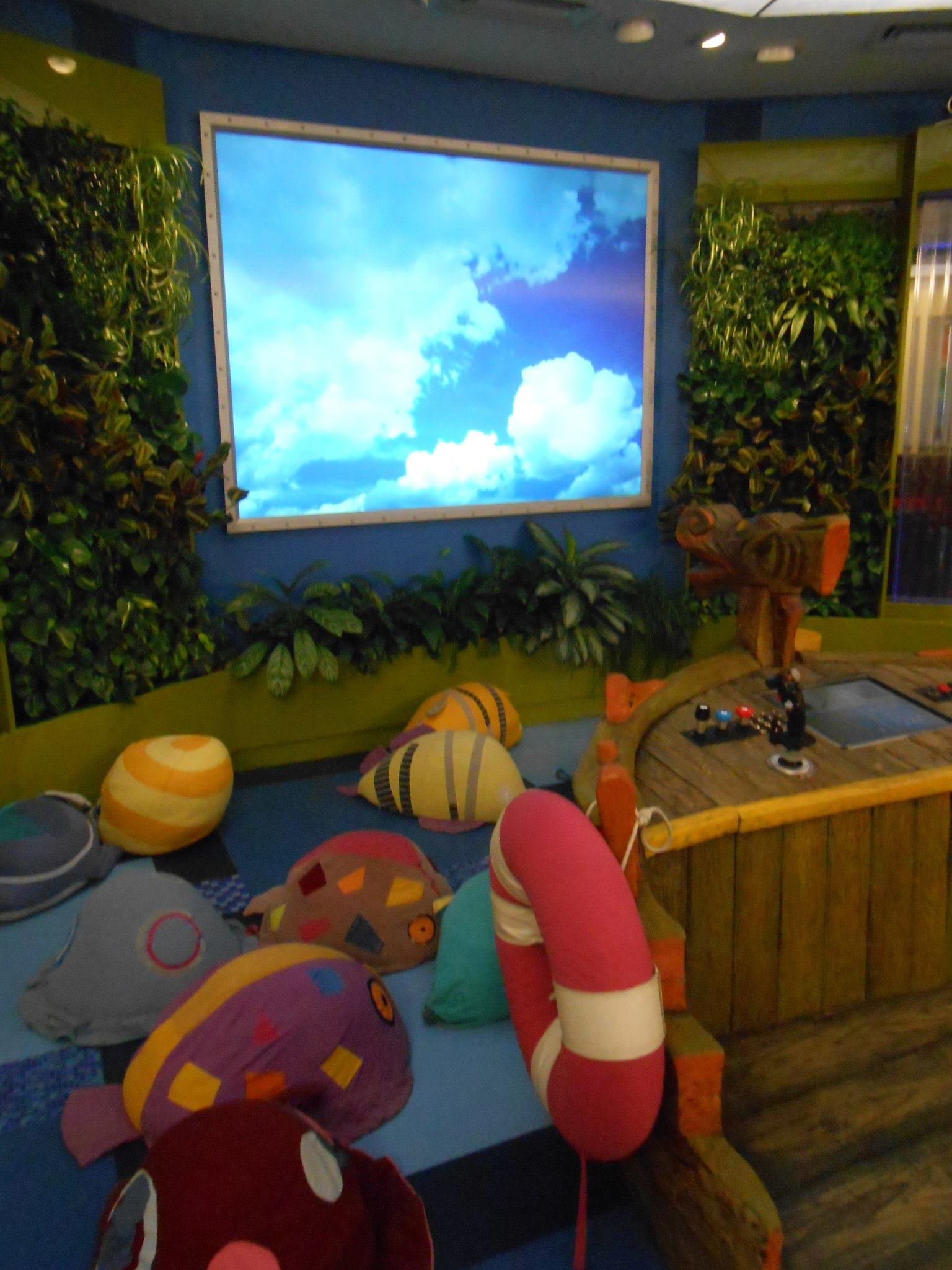
Rainforests, Reefs, and Jungles

When I taught Rainforests, I used resources from the National Geographic ( Started with the journey of a bar of chocolate), Earthwatch, The Jason Project. As a teacher I could Mix and match and use ( laser disks provided by the Lucas Foundation) we could create our own little stories.

Games became a focus. Do you remember Amazon Trail?http://www.myabandonware.com/game/the-amazon-trail-1mf the Voyage of the Mimi had its own games too. Navigation, Map Making.

Oh how we loved their focused programs, and Dr. Robert Ballard’s sharing of field trips into jungle environments. As a teacher of a group of National Geographic teachers I had access to the tapes of programs developed by George Stuart, on the Maya. Those tapes were archaeology, science, culture, history, astronomy and so much more and games.

The collective name for those was the “Voyage of the Mimi“.Here is the video, which then starred Ben Affleck. https://www.youtube.com/watch?v=3re1ROrBZsg

http://www.windows2universe.org/mythology/myths_stories_art.html

Let me give you one other example.

Rainforests, Reefs, and Jungles

When I taught Rainforests, I used resources from the National Geographic ( Started with the journey of a bar of chocolate), Earthwatch, The Jason Project. As a teacher I could Mix and match and use ( laser disks provided by the Lucas Foundation) we could create our own little stories. The Jason Project is powerfully innovative.http://www.jason.org

Games became a focus. Do you remember Amazon Trail?http://www.myabandonware.com/game/the-amazon-trail-1mf the Voyage of the Mimi had its own games too. Navigation, Map Making.

Oh how we loved their focused programs, and Dr. Robert Ballard’s sharing of field trips into jungle environments. As a teacher of a group of National Geographic teachers I had access to the tapes of programs developed by George Stuart, on the Maya. Those tapes were archaeology, science, culture, history, astronomy and so much more and games.

The collective name for those was the “Voyage of the Mimi”.Here is the video, which then starred Ben Affleck. https://www.youtube.com/watch?v=3re1ROrBZsg

Vinton Cerf says in a Magazine, Child Art, January -March 2014,

There are ways of collaborating on the Net Now that would allow multiple people to create works of art together. Those works of art may be in the virtual space. They could also be in the real world-suppose you created something that a three dimensional
printer could print. Collaboration is one thing .”

Vinton Cerf says in a Magazine, Child Art, January -March 2014,

There are ways of collaborating on the Net Now that would allow multiple people to create works of art together. Those works of art may be in the virtual space. They could also be in the real world-suppose you created something that a three dimensional
printer could print. Collaboration is one thing .”

He further says, “Another possibility is melding so many different modalities through one medium. I can send and receive imagery, sound and I have the opportunity to manipulate the perimeters of images, sound and other properties of something I’m working with.”

Most teachers don’t get a chance to do this type of innovation , based on the models of teaching and learning that have been presented to them in their educational landscape. To tell the truth, I was asked to leave a school, because the principal wanted me to teach only out of the book, and to prepare only for testing. I found a principal, Camay Murphy, who went on the learning journeys with me and took the rest of the staff. We won many prizes. But, as successful as I was, I could not find a home for creativity, innovation and new learning landscapes.

So I consult , write and dream.monday 050

International Lens.. Russia , USA.. Bonnie… Masha.. we “SEE” our respective countries

1598538_10152316003011327_9146879094624508530_oYou have to know, Russia is a huge country , twice the size of the United States.

I met her and other fellows in Washington , DC.563689_297167427070212_770290619_n

A2A79393-186A-4265-A8DD-E6C3FAB015D6

The US-Russia Social Expertise Exchange is a diverse network of Russian and US civil society experts and social entrepreneurs engaged in a meaningful exchange of ideas and best practices to produce positive change in the lives of citizens in both countries. SEE is driven by five interconnected components:

Working Groups are the core of SEE. Program participants gather in working groups to determine joint priorities for collaboration, and to design and implement innovative projects that bring benefit to the people of Russia and the US. These groups are organized around twelve distinct thematic areas: business ethics and compliance, child protection, community development, education and youth, protection of flora and fauna, gender equity, higher education, rule of law and the community, collaborative media, migration, public health and social entrepreneurship.
An annual conference brings together SEE members to evaluate joint priorities for action and to identify specific means for achieving them.
Every year SEE conducts an open competition for linkage projects that involve collaborative solutions to issues affecting both countries that tie in with at least one of SEE’s Working Group priority areas.
Fellowships are awarded to advanced and emerging experts in civil society, offering the opportunity for a more intensive engagement with civil society in the US and Russia through a professional exchange at various host organizations. During their service of up to eight weeks, fellows further advance the collaborative activities of SEE’s working groups.

Masha was going to be in San Diego for her full term of fellowship. I was an advanced practitioner going to Saint Petersburg , Ru and to Samara, Ru, and I had no knowledge of Russia or the two cities.

TWO FELLOWS , TWO POSTINGS.. oh say how do you see.. Russia, the USA? First you should see the size of both countries.
QyflNxagFCA

My journey was to Saint Petersburg, and Samara though we visited in the regions. The fellows in my team had a longer visit and some of their travel was by train. They went from Samara-Tambov, Tambov-Moskva, Moskva-Petrozavodsk. Then back home, Sarah to Minnesota, and Alex to New York. Then we went to San Diego for our symposium, and to assess what we had learned and how we could continue to work together.

I did take Russian, but perhaps not enough , or not colloquial enough. Masha was fluent in English. Really fluent.
I could see what she was doing and she could follow me, because we both posted often.

Sometimes I feel like I am reading my first huge Russian novel with my hand in the back to remember the various names and versions of names and Facebook does not remember lots of people until you put the names in frequently.
I was with a team of two fellows who had lived in Russia and who had taken the language in school, in fact they were linguists.
I was an educator. I was armed with my educational experience and technology tools. I had the ” Internet of Everything” and Masha had access to the people who were working with the Internet of Everything and classes.

My initial days in Russia led me to understand why where I live is called the South. I was c o l d. I had prepared for the cold but the kind of cold that I knew. I had never lived in say, Minnesota, or upstate New York, or Alaska. So I had adjustments to make. In Saint Petersburg, we also used mass transit. That was new for me. My two linguists, were used to the weather. I followed them meekly and learned to negotiate snowy streets and icy stretches.I adjusted my clothing and learned the subway.The subway was beautiful. Incredibly beautiful.

1979279_10201769447979195_535920696_o
.

Masha lived in an apartment and since there is no subway that can help one negotiate San Diego, she was allowed to drive.

We my team and I were in a nice hotel, the hotel Moskva. ( Moscow to you) in Saint Petersburg, steps away from the Metro.San Diego is a kind of tropical paradise and so I don’t think that Masha had trouble with the climate, but I know she missed the snow.

She stayed in one community and did exploration and learning with Yvonne Andres in San Diego.1941431_449074785237744_2091764037687139396_o
She stayed in one community and did exploration and learning with Yvonne Andres in San Diego. My group was a team and I did Saint Petersburg and Samara. I laughed.. she was interested in the Disney Princesses and I was curious about the Russian Ballet and theatre and did go to both the ballet theater in Samara and to the Opera in Saint Petersburg.

My group was a team and I did Saint Petersburg and Samara. I laughed.. she was interested in the Disney Princesses and I was curious about the Russian Ballet and theatre and did go to both the ballet theater in Samara and to the Opera in Saint Petersburg.

She and I both interacted with youth and educational groups.. she with movies and Hollywood and I with The Hermitage and Peterhof.. how amazing the contrasts but also the similarities.SEE3

1655481_10201491171182449_504675472_o

Water, Water Everywhere, One Ocean- One Planet ( US Russian Best Practices)Vodakanal

href=”https://thepowerofus.org/wp-content/uploads/2014/03/gulffinland.jpg”>GulfFinlandTravel and Networking with Educators Stem and IT in Russia


Part One-Museum of Water-Saint Petersburg, Russia

The Project was the SEE U.S. Russia Expertise Exchange, Eurasia Foundation. It was a life-changing experience.
There is an international projection on water, All One Ocean, www.alloneocean.org
and there are courses that teachers from all over the world take on observing the oceans.Citizen science or youth and education projects are common in the US and in Russia.

Meeting the Challenge

Meeting the Challenge

1836866_10152188341376327_1972478766_o-2
Here is an interactive game at the Children’s ecological center in St. Petersburg, Russia. This game table has different water-related educational and interactive games. This one teaches geography of the Baltic Sea countries. (Documentation for Youth and Education Working Group, US-Russia Social Expertise Exchange Fellowship 2014)image001

Welcome to Russia
voda

I found fascinating projects on science, technology, engineering and math. I was assisted in language by two outstanding Eurasian Fellows whose specialty was the Russian Language. Sarah Choi and Alexandra Kohut. They were taught Russian in College and the languages were their specialty, both had lived in various places in Russia and had a network of friends and language specialists with intense knowledge of Russia.That was very helpful.

Water is important to the earth. In photographs taken from space, we can see that our planet has more water than land. It is unexpected and somewhat inconceivable that less than three percent of Earth’s water is fresh water. According to the U.S. Geological Survey, most of that three percent is inaccessible. Over 68 percent of the fresh water on Earth is found in icecaps and glaciers, and just over 30 percent is found in ground water. Only about 0.3 percent of our fresh water is found in the surface water of lakes, rivers, and swamps. Of all the water on Earth, more than 99 percent of Earth’s water is unusable by humans and many other living things! It seems extraordinary that the water that supports all terrestrial, as well as aquatic, life on our planet is actually so scarce. With this stunning realization comes a recognition that we have to utilize this resource very wisely. An important first step is to educate ourselves and future generations of citizens. 563689_297167427070212_770290619_n

Russia and the US cooperate in space to share the mapping of the earth and its waters.
Children in the schools of Saint Petersburg, and in particular Epi School are involved in the Vodakanal Water studies. One project is a Crayfish. Yes, a crayfish. In the Chesapeake Bay, we study the crab. So it was wonderful to see the interactive resources and lab testing that the students participated in , in the Interactive program.

A lead character of this excursion is a Crayfish,” Where Do Crayfish Winter? ‘ will be a very unusual employee of Vodokanal – the Neva Crayfish. Participants of the program together with the Neva Crayfish will make a trip around ‘The Underground World of St. Petersburg’, learn how water is treated in a big city and find out how living creatures – crayfish, snails, little fish – help people in their work.
Museum complex specialists have also developed more than ten interactive programs, intended for children of different ages – from preschool children to teenagers.Here are some pictures of the testing, and other projects.

In the United States, my studies are on the Chesapeake Bay , and the Atlantic Ocean. It was great to find best practices in Russia and new ideas while studying the The Baltic Sea, and the Gulf of Finland. Here are the descriptions of the Interactive programs of the museum. http://www.vodokanal-museum.ru/en/interaktivnye_programmy/programmy_dlya_detej/

I learned from the Baltic competitions, which the Russians won, ways in which students learn about the environment that were interactive.I loved the interactive programs.

The Baltic Sea

The Baltic Sea is the least salty sea in the world. It is one of the youngest seas in the world and it is approximately 4000 years of age.In XIX century the Gulf of Finland was named ” Markizovz Luzha”The Marquis’ Puddle) due to its shallow depth ( the average depth-38M).Saint Petersburg is the biggest city at the Baltic Sea Coast. Both marine and freshwater species live in the Gulf of Finland

The Baltic Sea Project (BSP) is an international network among young people and teachers for a better environment in the Baltic Sea catchment area.
The Baltic Sea Project (BSP) is an international network among young people and teachers for a better environment in the Baltic Sea catchment area.https://www.facebook.com/unesco.bsp

Orienteering, STEM Skills that link to GPS, and GIS… Esri Here I Come

There are all kinds of games, simulations and events that kids get to experience on devices. We looked at a simulation of the oil spill on the Ipad.

There are all kinds of games, simulations and events that kids get to experience on devices. We looked at a simulation of the oil spill on the Ipad.

Hands on a globe

Sometimes you think you know all of the answers. I have often worked with kids outside in big spaces. Purposing work in an outdoor lab I never got the connection about electronic orientation. Those girls and boys who worked with me can remember the fun we had at the Outdoor Lab. 


Today in Russian I got the feeling that I could have, with some equipment, prepared kids for a future in STEM or STEAM by adding Esri , What is GIS after teaching orienteering.

orienteering

First let’s look at orienteering.

From Wikipedia, the free encyclopedia

“Orienteering is a family of sports that requires navigational skills using a map and compass to navigate from point to point in diverse and usually unfamiliar terrain, and normally moving at speed. Participants are given a topographical map, usually a specially prepared orienteering map, which they use to find control points.[1] Originally a training exercise in land navigation for military officers, orienteering has developed many variations. Among these, the oldest and the most popular is foot orienteering. For the purposes of this article, foot orienteering serves as a point of departure for discussion of all other variations, but basically any sport that involves racing against a clock and requires navigation using a map is a type of orienteering.”

We know where we are with technology, our phones, our computers and hand held devices. I Think to gain skills that
we should involve more hands on. This training here in Samara is a year long project with two main events for the students, and sometimes an event for disabled people which is done differently. The students go to the Cacausus Mountains and camp out to do the event. It is done by boys and girls and the coaches and volunteers are men and women and

http://www.catchingfeatures.com/ is where you learn.

The game?
Catching Features is an orienteering game you can play at home. Use it for rainy-day training or rest-day enjoyment. Several different modes of play are available. Individual courses are run with interval starts against computer opponents, or with a mass start against lots of them. Relay events allow you to run one leg of a forked relay course.

Each course you run will earn you a number of ranking points based on the other runners that day. By earning more points you can unlock additional events to run.

Internet play allows for races against human opponents all over the world in real time. Race against your friends in a virtual competition! And you thought you didn’t have anything to do at work…

Can’t coordinate a multiplayer game against anyone else, but still want to compare times? Competitions mode allows you to download and run a race whenever you can, then your splits and route choice are automatically uploaded to the CF server for everyone to see and compare!

A random map generator lets you create an endless supply of maps and courses to run on. You can run on a different map every day for the next 89 years…

A map editor is included with the full version of the game. Used for editing maps and planning courses, it allows full control over terrain, vegetation (down to individual trees and rocks), objects (tables, fences, boats…) and all other aspects of the map. An OCAD file converter lets you start building CF maps from your favorite local terrain.

You can also use the included Ocad Converter to convert your library of Ocad maps into playable CF maps! Train on your home forests!

That is the simulation!!
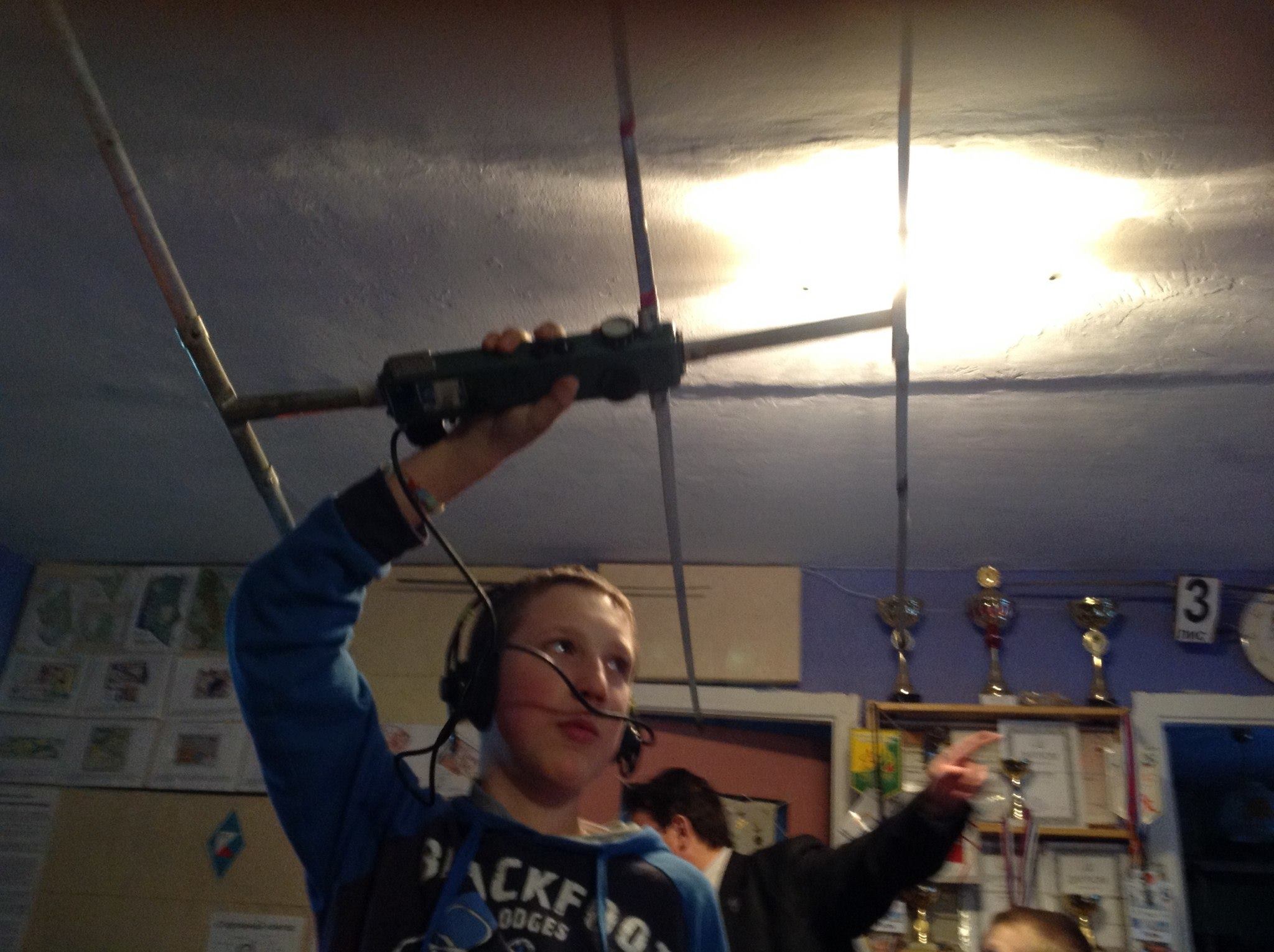
Hear are pictures of the real thing using tools.orient

From Russia with orienteering tools.

What is GIS?
http://video.nationalgeographic.com/video/science/technology-sci/gis_journey/

A geographic information system (GIS) integrates hardware, software, and data for capturing, managing, analyzing, and displaying all forms of geographically referenced information.

GIS allows us to view, understand, question, interpret, and visualize data in many ways that reveal relationships, patterns, and trends in the form of maps, globes, reports, and charts.

A GIS helps you answer questions and solve problems by looking at your data in a way that is quickly understood and easily shared.

Map Your Passion. Transform Our World.

We’re passionate just like you. Geography is at the heart of a more resilient and sustainable future and allows a deeper understanding of how we can positively impact the future. Together we can transform our world.

Features

Tell Your Story

Inspire action, connect with the public, and reach donors by telling your story with maps. Quickly combine location data, text, and multimedia to build interactive apps that highlight your work and advance your mission.

Monitor and Evaluate

Manage your operations, examine their efficiency, and provide transparency to donors. GIS provides operational awareness throughout your organization and analytics that support your decisions.

Collaborate with Others

Share your maps and data on your web pages, blogs, social media, and custom apps. ArcGIS Online gives you an easy-to-use and intuitive workspace for collaborating with others inside and outside your organization.

From Edutopia

Student Work: Street-Tree Inventory
Luis and his peers in the 4-H Tech Wizards program used personal digital assistants (PDAs) and geographic information system (GIS) technology to collect tree data and generate computerized maps for the City of Hillsboro Planning Department.
http://www.edutopia.org/digital-generation-technology-data-mapping

Education in America, It’s Complicated..

child Head

Today , I start to think about back home. I am in touch with family and friends, but I have made friends here and I feel that networking ideas have been started.

child
But there is one grief that I will have . It will be the end of my time with Sara Chao and Alexandra Kohut.

They are very unusually gifted and talented Fellows from the Amerasian Foundation. We have been linked in travel,study and work.

Fortunately they are not teachers who live inside the box , as most teachers in America do because it is the way of education . Read this and you will understand. They have lived in Russia, they are articulate in Russian , their words come trippingly off the tongue without hesitation or comparison in the brain. This time I let them do the talking and relied on them for language. Who ever thought that

I would meet such talented linguists who don’t even know that they are also cultural geographers. They are not teachers , can’t speak the jargon and don’t have a store of things that have passed over then like water in the way of educational initiatives.

This is the answer to it is complicated.

Time Magazine

Education as it should be – passion-based.

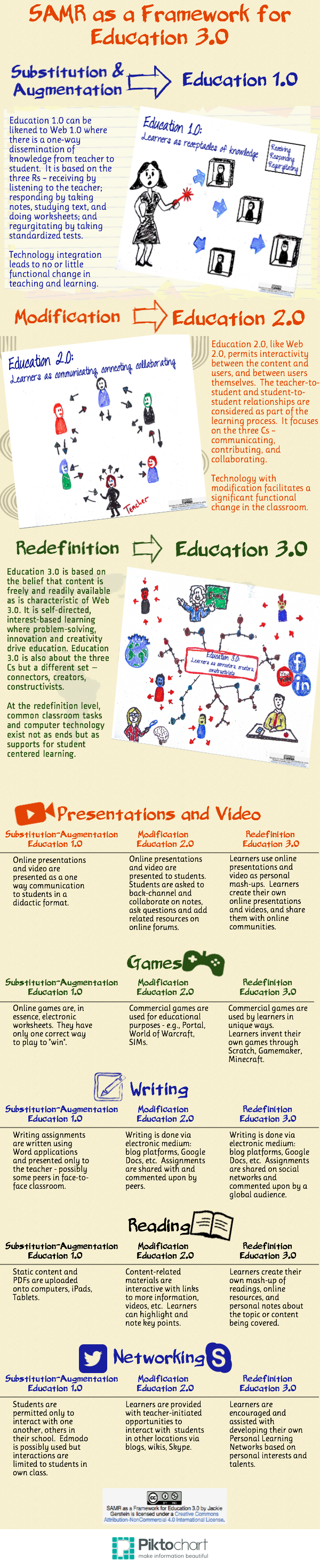
SAMR as a Framework for Moving Towards Education 3.0

Evolution, in its broadest sense, serves as a force to help humans move towards a better way of living given the current times or Zeitgeist. It follows, then, that the education field should evolve as new opportunities and forces emerge and present themselves. But in general, this is not the case.

From the Time Magazine article, How to Bring Our Schools Out of the 20th Century

There’s a dark little joke exchanged by educators with a dissident streak: Rip Van Winkle awakens in the 21st century after a hundred-year snooze and is, of course, utterly bewildered by what he sees. Men and women dash about, talking to small metal devices pinned to their ears. Young people sit at home on sofas, moving miniature athletes around on electronic screens. Older folk defy death and disability with metronomes in their chests and with hips made of metal and plastic. Airports, hospitals, shopping malls–every place Rip goes just baffles him. But when he finally walks into a schoolroom, the old man knows exactly where he is. “This is a school,” he declares. “We used to have these back in 1906. Only now the blackboards are white.”

The evolution of education can be explained from moving from Education 1.0 to Education 3.0. I have discussed Education 3.0 in several blog posts:

Schools are doing Education 1.0; talking about doing Education 2.0; when they should be planning Education 3.0

Education 3.0: Altering Round Peg in Round Hole Education

Education 3.0 and the Pedagogy (Andragogy, Heutagogy) of Mobile Learning

Briefly, Education 1.0, 2.0. and 3.0 is explained as:
Education 1.0 can be likened to Web 1.0 where there is a one-way dissemination of knowledge from teacher to student. It is a type of essentialist, behaviorist education based on the three Rs – receiving by listening to the teacher; responding by taking notes, studying text, and doing worksheets; and regurgitating by taking standardized tests which in reality is all students taking the same test. Learners are seen as receptacles of that knowledge and as receptacles, they have no unique characteristics. All are viewed as the same. It is a standardized/one-size-fits-all education.

Similar to Web 2.0, Education 2.0 includes more interaction between the teacher and student; student to student; and student to content/expert. Education 2.0, like Web 2.0, permits interactivity between the content and users, and between users themselves. Education 2.0 has progressive roots where the human element is important to learning. The teacher-to-student and student-to-student relationships are considered as part of the learning process. It focuses on the three Cs – communicating, contributing, and collaborating.

Education 3.0 is based on the belief that content is freely and readily available as is characteristic of Web 3.0. It is self-directed, interest-based learning where problem-solving, innovation and creativity drive education. Education 3.0 is also about the three Cs but a different set – connectors, creators, constructivists. These are qualitatively different than the three Cs of Education 2.0. Now they are nouns which translates into the art of being a self-directed learner rather than doing learning as facilitated by the educator. Education 3.0: Altering

Round Peg in Round Hole Education
Emerging technologies is, can be, should be a driving force of this evolution towards Education 3.0. Information access, communication methods, the ability for creative express is qualitatively different than any other time in history due to technological advances.

The SAMR model was developed by as a framework to integrate technology into the curriculum. I believe it can also serve as a model to establish and assess if and how technology is being used to reinforce an old, often archaic Education 1.0 or being used to promote and facilitate what many are calling 21st century skills, i.e., creativity, innovation, problem-solving, critical thinking; those skills characteristic of Education 3.0. Many look at SAMR as the stages of technology integration. I propose that it should be a model for educators to focus on Modification and Redefinition areas of technology integration. Why should educators spend their time recreating Education 1.0 using technology at the substitution and augmentation levels when there are tools, techniques, and opportunities to modify and redefine technology integration for a richer, more engaging Education 2.0 or 3.0?

SAMR-Education3
Share this:http://usergeneratededucation.files.wordpress.com/2014/02/samr-education31.png

Serving Disabled Communities, Local, National, and International

From Russian Programs and American Programs to International
des1
Desnitsa
an archaic Russian term for the right arm; often a general term for arms and hands. Used in the expression “the punishing hand (desnitsa) of justice”

The Lucas Foundation piece”
Disabled Bodies, Able Minds: Giving Voice, Movement, and Independence to the Physically Challenged
made me think hard.It is a great video.
des2

New Tools, New Opportunities
All over the country, what is known as assistive technology is opening the way for disabled students to do what their counterparts of years gone by could not even have imagined. “We all know how technology has improved in the last few years,” says Sheryl Burgstahler, director of DO-IT (Disabilities, Opportunities, Internetworking, and Technology), an advocacy program for disabled students at the University of Washington. “What most people don’t realize is that assistive technology has been progressing at the same rate.”

Susanna Sweeney-Martini, an outgoing, articulate University of Washington sophomore who wants to be a television news anchor, says she couldn’t function like she does today without assistive technology. “Without a computer, I couldn’t do my homework,” she says. “Without my [wheel]chair, I couldn’t get around. Without my cell phone, I couldn’t call for help.”

Assistive Technology

Lukas, a Spokane, Washington, high school junior can make his own music, thanks to a joystick-equipped euphonium that was custom designed for his special needs. Credit: Edutopia
No Limits
DO-IT, the federal Americans with Disabilities Act, and other widespread efforts and laws seem to have created a greater determination among students and parents to make sure disabled people are included in all activities. Kristy Bratcher, the mother of Lukas, a high school sophomore in Spokane, Washington, who has extremely limited use of his arms and legs as a result of a birth defect, didn’t hesitate to encourage him when Lukas expressed an interest in playing a musical instrument.

“I always kept trying to find things that Lukas could do with peers other than an athletic event,” says Bratcher. “Everything is sport, sports, sports.” So when he brought home a note seeking permission to play a band instrument, she signed it and said, “Lukas, just go and see what’s going to work.” The Mead High School student chose a euphonium, a tuba-like horn.

Lukas at first just blew into the euphonium without using the finger valves, but his system meant he could play only one note. Although he patiently waited until that note showed up in a musical score and seemed happy to do just that, his patience and upbeat attitude paid off. A school employee sought out a music-store owner named Robin Amend, who is also a musical-instrument inventor and repairman. Amend, whose grandfather had played a musical instrument despite having only one arm, designed a euphonium with a joystick that electronically instructs the valves of the euphonium to move. Later, an engineer worked with Amend to refine the joystick technology.

Lukas may have some mechanical help with his instrument, but music teacher Terry Lack says his personality is what has turned his desire to play an instrument and be part of the band into reality. “He always has a smile on his face and has a really positive attitude,” says Lack. “[That’s] the real key.”

Lukas’ mom says her son’s participation in the school band has given him a chance to stretch himself and see what he is capable of accomplishing. “I can’t predecide what’s going to work for him or not,” she says. “So many people say, ‘You can’t. You can’t.’ Why do we have to talk that way? Let’s just see what it is and what he has an interest in, and we’ll figure it out.”

Assistive Technology

Assistive technology enables University of Washington sophomore Susanna Sweeney-Martini to overcome her disabilities and participate fully in her college courses. Credit: DO-IT, University of Washington
No More Excuses
DO-IT’s Burgstahler has little patience for school officials who don’t think they have a responsibility to include those with disabilities in every school activity possible or who believe a full-time aide can substitute for technology that gives the students more independence. “If they have access to their own computers, they can take their own notes, they can take their own tests, they can write their own papers, they can use the Internet and do their own research,” she says.

And as to concerns about the high cost of assistive technology, Burgstahler points to the benefits, and she wonders how schools can justify not investing in tools for disabled students.

“Students can now use their brainpower instead of their physical capabilities to go to college and then on to careers so they can have the life all of us want to have,” she says. “They can have the American dream.”

1606301_10152232316426327_1621589694_o
Building a Dream

We met Natalia Bartkova , and Aleksey Trantserv and their spirit and passion and depth of interest were remarkable.Something to see is Aleksy with kids. They have a program where they teach games to children. Just board and social games so far. I thoroughly enjoyed working with them and analyzing the ways in which they worked. Kudos to them!!

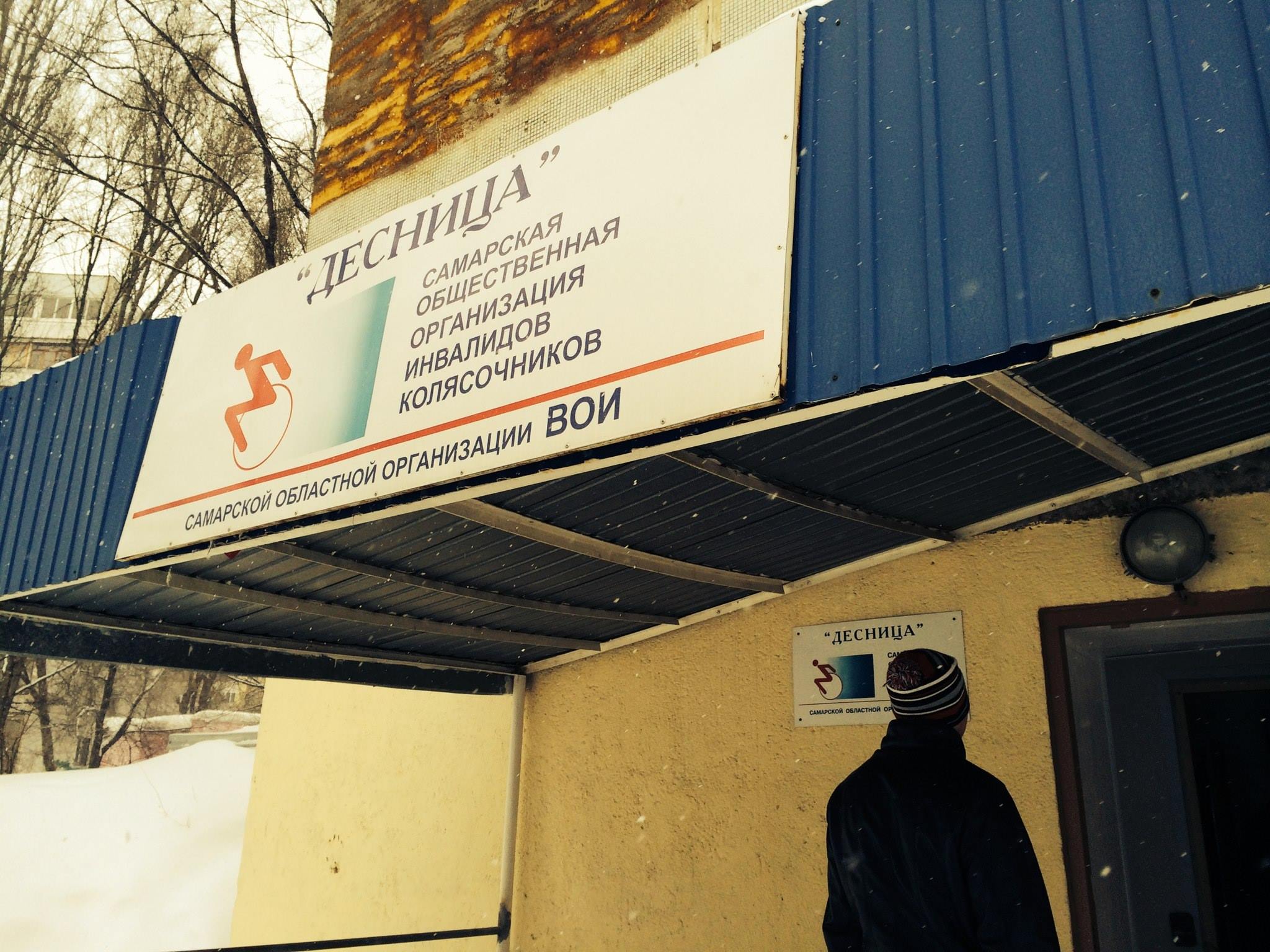
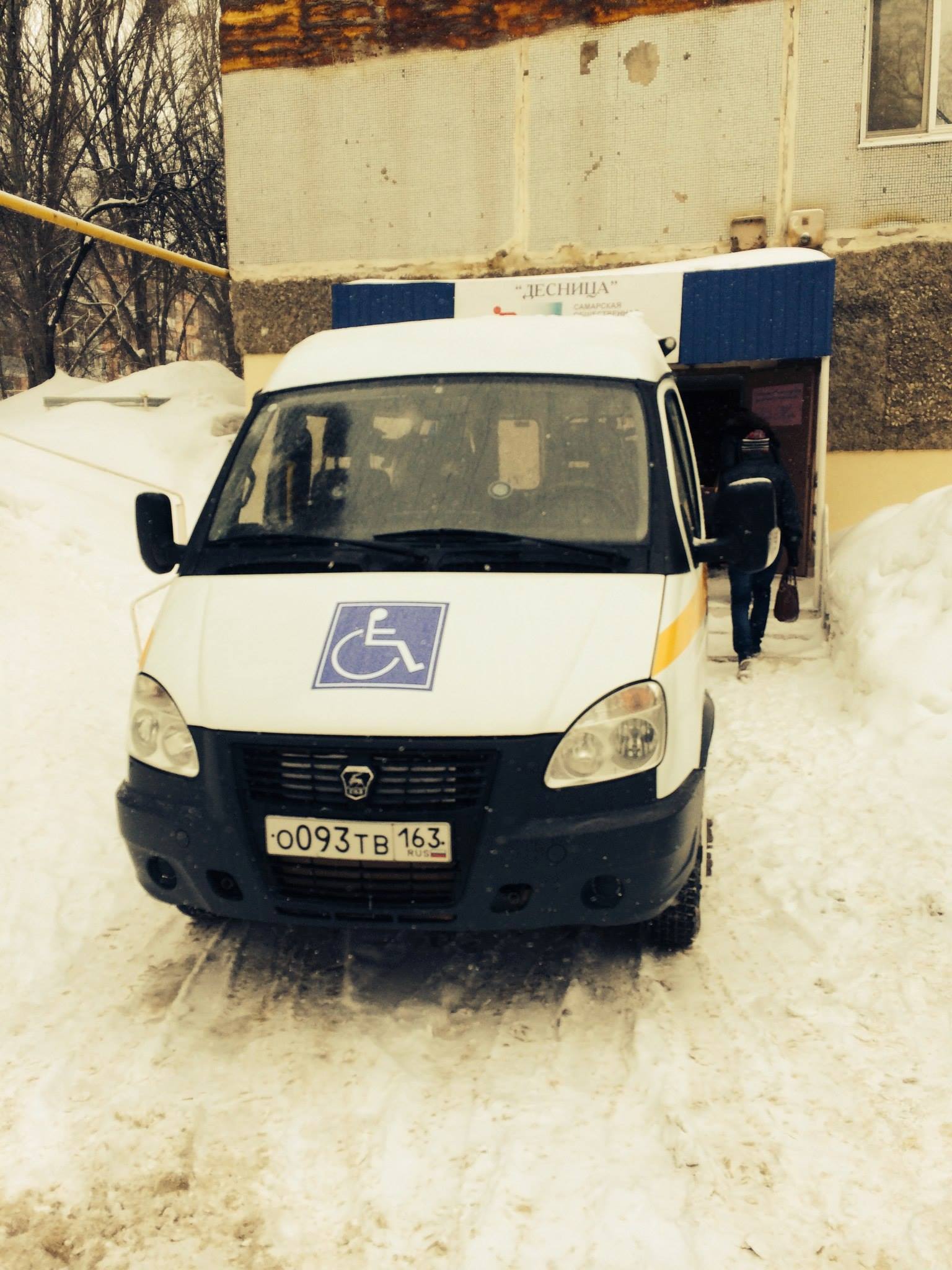
As a part of our study for the US Russian SEE exchange we visited Desnitsa. This NGS has a mission to provide the integration of Samara region disabled people into society and to promote the ideas of independent living philosophy and social approach to disability on the bases of partnership and use of new technologies for work. This organization was founded in 1997.It is an umbrella program and we saw their outreach in the business incubator project for Samara.

Its main goals are the protection of rights and interests of disablied people;
Providing disabled people with equal opportunities in all spheres of social life; and integration of disabled people into society.
Here in Russia they have legal adviser’s help and psychologist’s help to disabled people and their families, information and consultation services
And they perform seminars to teach how to understand disability, and how to have people defend their rights, including rights on education and labor.

They give assistance for disabled people to help them get education and learn to choose a profession; they provide expert services for employers to make special workplaces adapted for disables peole ; expert services how to adapt the apartments for people with different disabilities; and produce films and public service advertising about disabilities.

International Program

http://wid.org/international

Georgian team learns to build wheelchairs. Photo by Beso Darchia

Ralf Hotchkiss from Whirlwind Wheelchair International training Georgian team. Photo by Beso Darchia

WID’s International Program builds leadership and capacity in disabled persons organizations (DPOs) in post conflict and developing countries to promote the full inclusion of people with disabilities into all aspects of society. WID provides training and technical assistance to DPOs to conduct effective disability advocacy, community barrier removal and public education campaigns; develop national policies; and create networks and national coalitions. During the last decade, WID has worked in Abkhazia, Armenia, Azerbaijan, Colombia, Georgia, Iraq, Morocco, Russia and Uzbekistan and has provided technical assistance to disability leaders in Bhutan, Ethiopia, Lebanon, Nepal and various other countries.

For more information on WID’s international training and technical assistance projects, contact Bruce Curtis, International Program Director.
Current Projects
Georgian Wheelchair Production Network
Funded by the U.S. Agency for International Development (USAID) and working in partnership with Whirlwind Wheelchair International (WWI), the Coalition for Independent Living in Georgia, along with their regional member organizations, the Association of Disabled Women and Mothers of Disabled Children in Zugdidi and the Association of Gori Disabled Club, and The Treatment and Educational Center of Child Neurology and Neurorehabilitation (CCNNR), WID is in the fourth year of a 5-year project in the Republic of Georgia to set up a sustainable wheelchair production and repair facility and a postural support seating and cushion service in Tbilisi; develop a mobility, self-care, and advocacy skills training system for men and women who use wheelchairs; and conduct advocacy, public education, and community accessibility barrier removal activities in Georgia. Most of the factory workers and advocacy team members are people with disabilities, and almost all are wheelchair users.
To date, the factory has produced and distributed more than 1500 low-cost, high-quality Whirlwind RoughRiderTM indoor-outdoor wheelchairs. Occupational therapists at the Children’s Center for Rehabilitation are being trained to prescribe postural seating and have fitted and provided supported seating for 125 children in wheelchairs so far.
Advocacy teams are conducting a wide range of activities including peer support, mobility and self-help skills workshops and camps for wheelchair users, and disability awareness and community access/barrier-removal trainings and roundtables to educate NGO staff, media professionals, teachers, government officials, lawyers, and architects about the need to improve community access. The 3 teams are also working to make key public buildings accessible by identifying and removing barriers, including building ramps and making bathrooms accessible. Sites include churches, sports facilities and recreation centers, schools, banks, museums, restaurants and shops.
A major goal of the project is to increase public awareness about the importance of an community accessibility and barrier-free environment, and the teams organize disability film exhibitions, media and poster competitions as well as produce public education videos, shown at film exhibitions and on Georgian national television, and public service announcements broadcast on local radio stations. The project has also hosted three national conferences on community accessibility for government officials and lawmakers, professionals, media, and persons with mobility impairments and their families to address issues, share lessons learned and to discuss strategies for implementation of legislation promoting a barrier free environment in Georgia. The most recent conference was attended by the new Prime Minister of Georgia, several other Ministers, the U.S. Ambassador to Georgia, and the USAID Mission Director.

Digital Equity and Social Justice, Digital Divide.. To Grow Our Future in Technology, Look to the Past

363_42724556326_8230_n copy
Larry Irving at the Commerce Department helped us get started with his leadership long ago. Today he shared this thought
“Minorities and women, in fact all Americans, who work in or benefit from the technological revolution of the past several decades owe a debt of gratitude to the late Congressman Mickey Leland and the late Secretary of Commerce Ron Brown. As we celebrate Black History Month it is appropriate that we remember their contributions to America’s technological past. They provide us guideposts for our future…”

Here is his article for Black History Month

To Grow Our Future in Technology, Look to the Past
Your Take: The next generation of black innovators needs to continue the work started by two pioneers who worked to ensure digital access for all.

BY: LARRY IRVING
Posted: Feb. 22 2014 1:00 AM

Here is his article for Black History Month
IMG_0003

To Grow Our Future in Technology, Look to the Past
Your Take: The next generation of black innovators needs to continue the work started by two pioneers who worked to ensure digital access for all.

BY: LARRY IRVING
Posted: Feb. 22 2014 1:00 AM

History doesn’t just happen. History starts with a vision.

In the early 1980s, Rep. George T. “Mickey” Leland, who was then chairman of the Congressional Black Caucus, envisioned a more inclusive telecommunications and media world.

A decade later, the late Secretary of Commerce Ron Brown recognized that the power of the Internet could unlock a brighter future for our children with better economic and educational opportunities.

Today, our leaders are writing history with critical decisions that will affect the future of the mobile revolution and the transition to all-Internet-based networks.
History doesn’t just happen. History starts with a vision.

In the early 1980s, Rep. George T. “Mickey” Leland, who was then chairman of the Congressional Black Caucus, envisioned a more inclusive telecommunications and media world.

A decade later, the late Secretary of Commerce Ron Brown recognized that the power of the Internet could unlock a brighter future for our children with better economic and educational opportunities.

Today, our leaders are writing history with critical decisions that will affect the future of the mobile revolution and the transition to all-Internet-based networks.

Mickey was weary of seeing stereotypical depictions of blacks and Hispanics in the media and was disappointed at the low rates of minority ownership and employment in the media and telecommunications industries. He understood that media ownership and employment would determine not just how white America saw black people but how black people saw themselves.

Equally important, he knew that electronic media and technology were going to be among the principal drivers of our economy and would present tremendous entrepreneurial opportunities for decades to come. And, being a great politician, he understood one other thing: He knew that times of great disruption bring great opportunity.

The media and telecommunications landscape was undergoing massive disruption in the 1980s. The historic AT&T was broken up into seven “Baby Bells.” New competitors such as MCI and Sprint were entering the telecommunications marketplace. Broadcasting was expanding from the three historic networks, and media-ownership opportunities were proliferating. And, perhaps most importantly, the cable-television industry was maturing and expanding.

Mickey was a strong supporter of innovation and technological advancement. But he made sure that every industry, even the most innovative industries, knew that his support for their efforts came with a condition: their support for increased opportunities for minorities and women.

Mickey fought for changes in the way minorities were portrayed by television broadcasters and movie producers; he drove the FCC to establish linkup and lifeline programs to increase telephone penetration rates in low-income communities; he fought for and won increased opportunities for ownership of radio and television stations by minorities; and, perhaps most importantly, he wrote legislation codifying increased employment and vendor opportunities for minorities in the cable-television industry. Those equal employment opportunity provisions became the model for other media industries, including the broadcasting industry.

Over the past 30 years, hundreds of thousands of minorities and women employees of media companies, in addition to thousands of cable vendors, benefited from Mickey’s hard work and vision. While the media and telecommunications industries are not as diverse as they could be, vast strides have been made as a result of Mickey’s vision and leadership.

Secretary Brown similarly understood the power of disruptive technology. He was a central figure in the Clinton administration’s policy formulations in the early days of the Internet, and he understood that the Internet was the transformative technology of its day. But he also understood that the Internet would only matter—would only be judged a clear success—if it benefited all Americans.

Shortly after Secretary Brown took office, a group of White House staffers presented him a list of proposed nominees for a Clinton administration private-sector advisory committee on the Internet. Secretary Brown looked at the list and noted that of the 25 suggested nominees, 22 were white males. He told the White House staff to take the list back and return with a more inclusive and diverse slate of nominees. One of the White House staff said, “But this list has been vetted and cleared by the White House,” to which Brown said, “Yes, and now it’s been vetted and rejected by the secretary of commerce who has to chair and manage that advisory committee.” The list was resubmitted with more diversity and a much-improved ratio of women and minorities on the committee.

The inclusion of women and minorities wasn’t just window dressing. Secretary Brown knew that we were at another technological inflection point. When he took office, fewer than 2 million people worldwide were on the Internet. The secretary knew that the Internet would grow and become ever more important. By ensuring diversity on the advisory committee, he made certain that as this high-powered group of individuals made policy suggestions to the president, they were looking at how this important new technology would affect and benefit all Americans and all American communities.

Secretary Brown was a firm supporter of the e-rate proposal that provided low-cost Internet connectivity to schools and libraries across America. He worked to develop policies and establish grant programs designed to connect schools, libraries, hospitals and rural health clinics. It’s a straight line from Secretary Brown’s commitment to connecting schools to the Internet two decades ago to the ConnectEd program the Obama administration supports today. Secretary Brown understood that, particularly in the early days of the Internet, millions of Americans would have their first experience with the Web in public institutions, and he fought to ensure those institutions had the resources they needed to serve their public.

Perhaps most importantly, he understood that there was a “digital divide,” and that it was the role of government to assist industry in bridging that divide. The digital divide would have been deeper and more pervasive but for Secretary Brown.

It is his signature on the front page of the first report defining the digital divide and stating that we, as a nation, have an obligation to ensure that all Americans have access to essential technological tools. He knew that with government and industry working together and with the formulation of smart policies, we could drive Internet connectivity rates higher. In slightly more than two decades, we have gone from 2 million people with access to the Internet to almost 3 billion people having access worldwide. Much of that growth is the result of the vision and the work of Ron Brown.

Today we are at another technological inflection point, another time of great disruption. The mobile revolution and the so-called “IP transition” promise to be even more disruptive than the cable revolution and the Internet revolution. And they promise to provide great opportunity for the smart and the agile. Women and men of vision must step forward to embrace these twin revolutions and work to ensure that these new technological tools are used to improve education, increase access to health care and fitness tools and provide for greater productivity and economic opportunity for our community.

Rep. Leland and Secretary Brown understood the power of technology to transform our image of ourselves, to enhance economic and educational opportunities and to ensure the future of our children. As we enter this next new phase of technological development, it is our obligation to further their twin visions.

The best way to celebrate Black History Month is to create some history of our own. Fast-tracking the move to modern, high-speed broadband networks, while ensuring that core consumer values are protected, will lay the foundation for even greater progress with education, health care, entrepreneurship, energy and the environment. We must understand and embrace new technologies and the opportunities they provide us. That’s what Mickey and Ron would have done.

Larry Irving, founding co-chairman of the Internet Innovation Alliance, served for almost seven years as assistant secretary of commerce for communications and information and administrator of the National Telecommunications and Information Administration (NTIA). He is widely credited with coining the term “the digital divide” and sparking global interest in the issue.

The original article available at http://www.theroot.com/articles/culture/2014/02/blacks_in_technology_two_pioneers_who_inspired_the_next_generation_of_innovators.2.html

Pictures from Work in the field, CyberEd , and Teragrid ( my personal photos)Being a Science Teacher with Outside Resources.. Try these NASA resources !!

Digital Citizenship – Putting the pieces all together to understand what to do!!

Man without identity programing in technology enviroment with cyOffering a Course, a Family Initiative,Global Resources, a Teacher Tool Kit
and Peer Gathered Resources.

Choose your tools for Digital Citizenship Understanding!

This all started 20 years ago with a Clinton Initiative, for the NIIAC.
Imagine you had a device that combined a telephone, a TV, a camcorder and a personal computer. No matter where you went or what time it was, your child could see you and talk to you, you could watch a replay of your team’s last game, you could browse the latest additions to the library, or you could find the best prices in town on groceries, furniture, clothes — whatever you needed.”
The above paragraph was the opening paragraph of the Agenda for Action — 20 years ago.
Today we are still trying to tame technology with resources, peer knowledge and collaboration.

1.COURSE

Course name: Digital Citizenship MOOC for Educators, Spring 2014
Course site: jasonohler.com/dcm2014
Cost: MOOC option is free

mooc
Web definitions
A massive open online course is an online course aimed at unlimited participation and open access via the web. …
http://en.wikipedia.org/wiki/MOOC

Teacher/contact: jasonohler@gmail.com
What is the course about?
This is a course about digital citizenship, a relatively new area of inquiry that has emerged because of our desire to help students manage their digital lifestyles safely and responsibly, without losing their sense of inspiration and opportunity.


How is it offered?

This course is offered in three ways: as a graduate course, a professional development course, and as a MOOC, in that anyone can use the materials and join in all of the conversations that are part of the class. There are no grades awarded for the MOOC class, and there are no costs associated with it except for materials that MOOC participants elect to purchase. MOOC participants do not have to register for the class. However, doing so allows them to stay in touch more easily with others in the course and to receive mailings about the course and associated activities.

Why digital citizenship?

The web is so pervasive and invisible, and provides access to so many different kinds of experiences, that we have developed a keen and sometimes urgent interest in understanding how best to help our children and ourselves navigate this new world.
In the K12 educational arena, this interest has been given the name “digital citizenship,” a reference to our belief that the Internet offers a kind of community experience. Digital citizenship seeks to answer the question, “What does it mean to be a model citizen in this new kind of community?” Ultimately, it also addresses another essential question: “How can we maintain a sense of humanity as we learn to co-exist with the immensely powerful machines and networks of our own creation?”

What is addressed?

In practical terms, the course looks at policies, curriculum, tools and perspectives that address digital citizenship issues within the K-12 educational arena. It also addresses some of the hot button issues of the day, such as cyberbullying, media literacy, and how to make ethical decisions associated with online activities. It features some of the experts in the field, including Mike Ribble (Digital Citizenship in the Schools), Nancy Willard (CyberSavvy), Frank Gallagher (Cable in the Classroom).

Who is this course for?

The primary audience for this course is K12 education community members, including teachers, students, administrators, school board members. But this course is also for parents, community members, anyone from government or business- in short, anyone interested in the larger issues involved in living, learning, working and having fun in the digital age, particularly as those issues impact our children.

Other Resources:
Bullying and Technology: What does it mean for parents?

For Parents and Community
http://evanston.suntimes.com/people/voices/cyb_erbully-EVA-01092014:article

FOSI.org

Family Online Safety Contract
Check out our Resources tab featuring helpful tips for parents and kids during back-to-school season, and download a copy of our the safety contract.
This video might be helpful as well. http://www.youtube.com/watch?v=hSQ6GcskLNg
FOSI GRID ( International)http://www.fosigrid.org
FOSI’s Global Resource and Information Directory (GRID) is designed to create a single, factual and up-to-date source for all those dedicated to making the Internet a safer and better place. As a family online safety portal, it aggregates information from a comprehensive range of trusted sources and combined with expert oversight, provides a unique and exciting new collaborative platform.

GRID monitors, tracks and provides commentary on the efforts of countries around the world to make the Internet safer for their citizens. By placing them in their correct cultural context, the educational, legislative and regulatory approach of many countries is seen properly for the first time. GRID is already attracting praise:
“FOSI’s GRID is a remarkable and ground breaking achievement! Nothing can prepare you for the depth, quality and scale of the family online safety content that GRID delivers. It will provide a vital and important new collaborative tool for industry, government and online safety professionals throughout the world.”
Professor Tanya Byron – Leading child psychologist and author of the Children in a Digital World Report, an influential review commissioned by the UK Government.
Using the very latest technology, GRID’s interactive maps, timelines and easy to use features bring clarity and new insights. Comprehensive directories that scope the work of industry and define the challenges, as well as GRID’s expert-moderated updates and quarterly reviews, create a unique ‘one stop shop.’

Who is Parry Aftab.. one of those of us who started out with the Clinton Initiative NIIAC> She is a real Internet lawyer.http://insurancenewsnet.com/oarticle/2013/12/19/cyberlaw-expert-parry-aftab-talks-cyberbullying-and-online-student-safety-at-the-a-439412.html#.UsgF2_2c8dt

Wired Safety Video on Cyber-bullying. It’s the Best!!
http://stopcyberbullying.org

1412565_10152013778786327_1555285607_o

Teacher Tool Kit from Wired Safety

Your personalized resource. You can fill out information at the link above to get it.

Stop Cyber Bullying Toolkit is now available! http://stopcyberbullying.org/index2.php
Authored by Dr. Parry Aftab and created by WiredSafety.org,Who is Parry Aftab?
She is a real Cyberlawyer.
the toolkit provides all of the information a school or community organization needs; it also provides young people with a mission.
Through the StopCyberbullying Pledge, they can take a stand against cyberbullying. By taking the pledge they promise to be part
of the solution, not part of the problem. The entire StopCyberbullying program is designed to motivate schools, students,
and their parents to do something, not just stand there while others are hurt. It gives them the tools and information
that they need to create their own grassroots campaign and address cyberbullying and hate online wherever they find it.

Peer Gathered Resources from Scoop.it

child

http://www.scoop.it/t/digital-citizenship-goals-in-education

Vic and Bonnie Sutton
Scoop.it? http://www.scoop.it/

Gamification you ask? Glad you asked. Alex Wonder!!
!Alex Wonder Kid Cyberdetective is a new game introduced by WiredSafety.org designed to help children safely navigate the Internet. Children follow the adventures of Alex Wonder as he helps children learn to identify the warning signs of cyberbullying and learn how to responsibly use the Internet.

“…The game teaches kids how to spot, avoid and address cyberbullying. So, they have to qualify as kid cyber detectives who help Alex, who works out of the janitor’s closet at the middle school, learn how to help other kids being cyber bullied,” explained Parry Aftab, Executive Director, WiredSafety, to CNN in an interview. Download the new free Alex Wonder Kid Cyberdetective Agency Game to help stop cyberbullying
**Requires Adobe Air to Install
bottom of page here ,http://stopcyberbullying.org/index2.html

Coding

Originally Published for CUE Magazine.

google10

Superhero kid. Girl power conceptCoding…
Posted by Bonnie Bracey Sutton

CODING

coding
ˈkōdiNG/
noun
the process of assigning a code to something for the purposes of classification or identification.
You may know coding as programming.

Coding is the act of writing a program in a programming language. So when people say you will need to know coding, they are saying you need to know two things. You need to know the language and you need to know how to use the language. It is easier to show an example of coding than to explain it. http://code.org/learn/codehs

You’ve seen the craze for learning code. But what exactly is coding?

Coding is what makes it possible for us to create computer software, apps and websites.

Your browser, your OS, the apps on your phone, Facebook, and this website – they’re all made with code.

Here’s a simple example of code, written in the Python programming language:

print ‘Hello, world!’
Many code tutorials use that command as their very first example, because it’s one of the simplest examples of code you can have – it ‘prints’ (displays) the text ‘Hello, world!’ onto the screen.

CODE.ORG has a video that explains coding, shares the vision of a lot of people interested in getting coding into education and. more. Here is one of their three videos on coding.

What Most Schools Don’t Teach

Bill Gates Chairman, Microsoft
“Learning to write programs stretches your mind, and helps you think better, creates a way of thinking about things that I think is helpful in all domains.“code 5
The group CSTA has many resources to help explain, engage you and immerse in the study of code.

CODING AS A METAPHOR FOR COMPUTATIONAL THINKING CSTA

The Computer Science Teachers Association is a membership organization that supports and promotes the teaching of computer science and other computing disciplines. CSTA provides opportunities for K–12 teachers and students to better understand the computing disciplines and to more successfully prepare themselves to teach and learn.

Click to access Astrachan.pdf

There is outreach to teachers in this program for professional development.code 3
What is CS4HS?
google7
CS4HS (Computer Science for High School) is an initiative sponsored by Google to promote Computer Science and Computational Thinking in high school and middle school curriculum. With a gift from Google’s Education Group, universities develop 2-3 day workshops for local high school and middle school CS teachers. These workshops incorporate informational talks by industry leaders, and discussions on new and emerging CS curricula at the high school and middle school level. On the CSTA site, you’ll find information on how to apply for a CS4HS grant, information for workshop attendees and partners, and other helpful resources. CS4HS funding is currently offered in the US, Canada, Europe, Middle East, Africa, China, New Zealand, and Australia.You could also learn a lot by attending a CSTA Conference which features workshops, mentors, and applications.

Here is an example of a CS4HS workshop that I attended. CS4HS is one of many resources to help teachers learn to code.
google4
UMBC Google CS4HS Teacher Development Workshop 2013

http://maple.cs.umbc.edu/cs4hs/schedule/

The presentations are here for your use, or perusal.

There is a big push to teach coding to students of all ages. code six

Teachers learning about the importance of coding at a CS4HS teacher’s workshop.

Coding for Kids is easier to reference and to find on the web.

Code.org offers tutorials below.

CodeHS Online curriculum designed specifically for highschool classrooms.

Codecademy After SchoolA complete online afterschool program for a coding club.

Tynker Teach programming in elementary or middle school in a fun way.

Scratch is a great program to use to teach young students. Try it!!